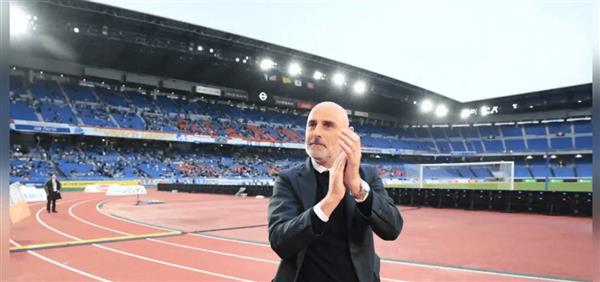

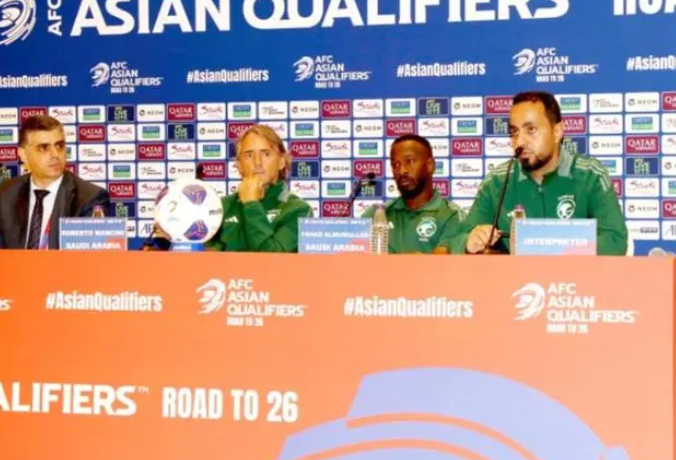
After leading Saudi Arabia to a disappointing 1-1 draw with Indonesia, manager Roberto Mancini is being criticized as harshly as ever. The draw not only exposed the ambiguity and uncertainty in the team's tactical execution, but also pushed Mancini's shortcomings in terms of personnel and intra-team relationship management into the limelight.
Criticism has centered on Mancini's failure to effectively shape the team's cohesion and leadership. Al-Faraj, who was once the leader of the Saudi national team, is seen as a key figure in resolving the current crisis due to his exceptional technical ability and control of the dressing room. However, due to differences in technical philosophy and personal conflicts with Mancini, Faraj's road back appears to be extremely difficult. Mancini's intransigence and lukewarm response to media criticism have further exacerbated these tensions.
In addition, according to Saudi media outlet kooora, Mancini's relationship with his players also seems unusually distant and formalized. He didn't even choose to take the Saudi national team's bus to travel with the players to the training and match venues, a sense of detachment that undoubtedly had a negative impact on the team's overall atmosphere and morale.
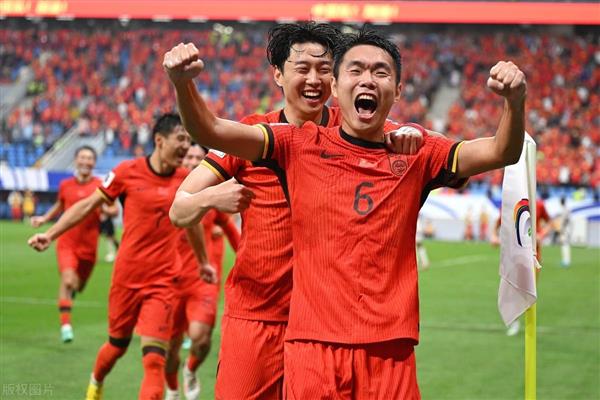
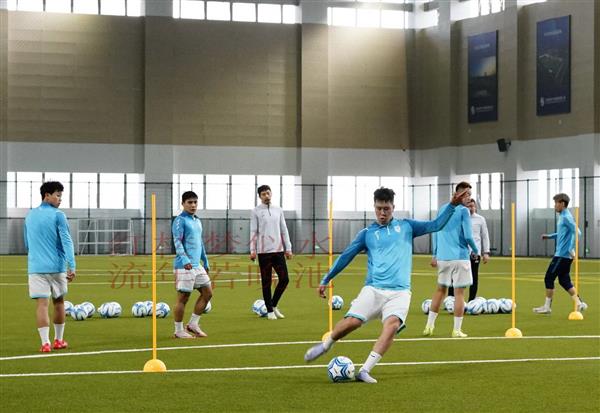
Against this backdrop, China is about to face Saudi Arabia led by Roberto Mancini on September 10th at 20:00 GMT. Facing the internal and external problems of Saudi Arabia, the Chinese team has ushered in a rare opportunity. How to grasp this opportunity will not only test the technical and tactical level of the Chinese players, but also the tactical arrangement and psychological adjustment ability of the coaching team. Chinese fans are looking forward to the team's tenacious fighting spirit and outstanding performance in this match, which will add more expectations and suspense to the upcoming matches.