

Reporter Chill reported that on December 13, the AFC Champions League group stage is all over, only Taishan advanced to the Chinese Super League. And no matter how huge the Saudi Arabia team in the West Asia region, even in East Asia, is still the strong pattern of Japan and South Korea. Now the investment is greatly reduced in the Chinese Super League, even if the face of Southeast Asia strong team, there is no advantage, can only survive in the cracks.
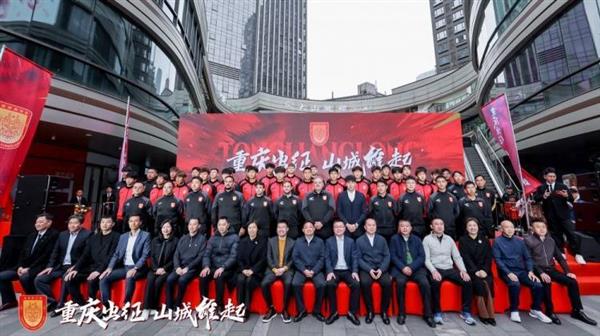
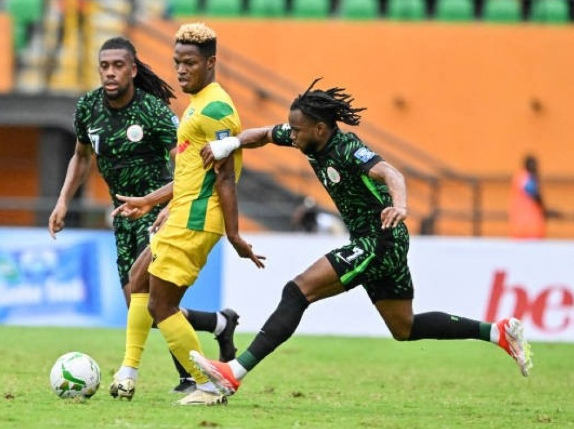
In East Asia, the results were largely in line with the strength of the league, with three teams from Japan and South Korea making it out of the tournament, and Taishan of the Chinese Super League becoming the lone player.
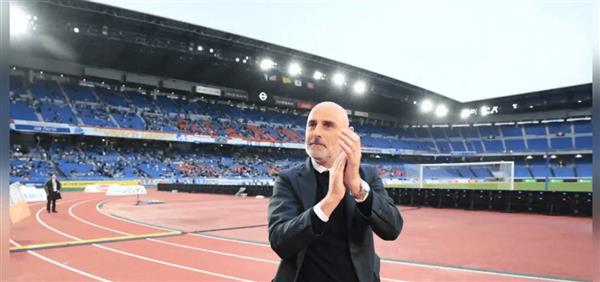
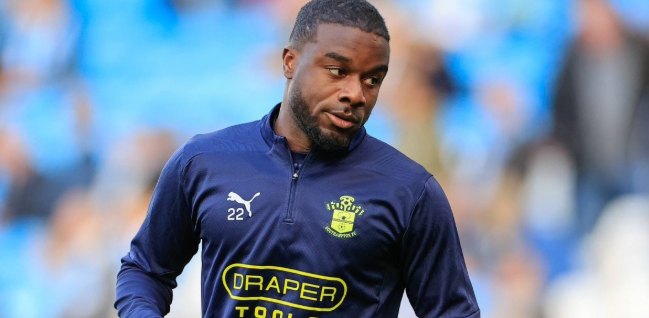
South Korea is Ulsan Hyundai, Pohang Steelers and Jeonbuk Hyundai advanced. Comparatively speaking, Incheon United, who is out of the tournament, was the worst, but had an acceptable performance. He scored 12 points and killed Yokohama Mariners. It only went out because of small points, but Ulsan Hyundai (10 points) and Jeonbuk Hyundai (12 points) were stronger. Both played average group games and advanced to the final round. One of them, Hong Myung-bo, has to thank his old hosts, Zhejiang, for their help. If they hadn't tied with Melbourne, Ulsan Hyundai would have been eliminated. Pohang Steelers had the best performance in South Korea. Despite once having a disjointed squad and playing with an all-Korean squad, they still came out on top of the group.
J-League teams have always emphasized the league over the AFC Champions League. This year it coincides with a period of collision between the AFC Champions League group stage and the league championship and promotion sprints, with more emphasis on the league. Even so, non-full-strength Japanese teams still showed a higher level of technical strength. eighth-ranked J2 League side Jaffa Wind Forest topped the group, both for grouping reasons and strength; Mariners barely played a full-strength team in the AFC Champions League group stage in order to win the league title, but fielded five foreigners in the final game, resulting in a 3-0 win at Taishan; Urawa Red Diamonds' late-season bid for Urawa Red Diamonds also held back during the crucial period of qualifying for the AFC Champions League, resulting in a two-pronged defeat; Kawasaki Frontale, who lost their title hopes early, invested more in the AFC Champions League and were justified in advancing to the tournament with an undefeated record.
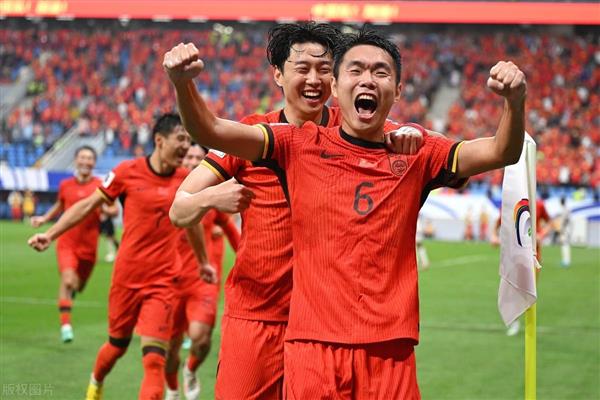
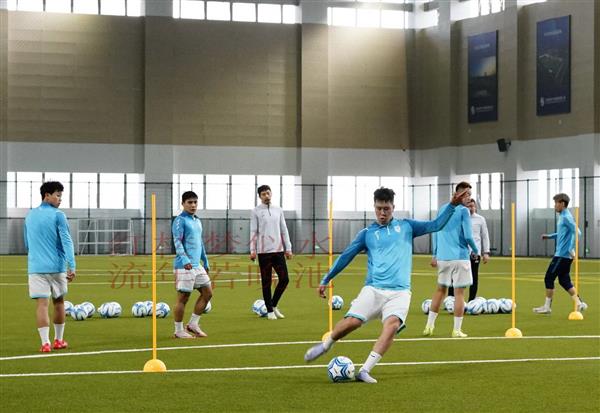
After two years, the Chinese Super League team sent a first team to participate in the AFC Champions League. The performance was in line with expectations as the investment was drastically reduced and the foreigners were not strong enough. Except for Taishan, Sanzhen and Zhejiang teams achieved bad results. It turned out that the ports were stronger and the foreigners were better. Unfortunately, it was a play-off. It can be said that the overall real-world performance of the Chinese Super League is equivalent to that of the Thai Super League and the Australian Super League, and is in the second group in East Asia, with a clear gap between Japan and South Korea.
Next year's reorganization of the AFC Champions League will see a $12 million prize for the elite league winner. The runner-up $4 million, group stage win bonus and away subsidies will rise. For Chinese Super League clubs, the AFC Championship is no longer a "loss-making" business of labor expeditions, but a prize fight worth fighting for. With the bonus incentive, the Chinese super team can choose better foreign aid, get more bonus return, help the Chinese super out of the trough as soon as possible. But next year, there will be only 12 teams in the East Asian region, and the opponents will be stronger, so it should be more difficult for the Chinese Super League teams to get points than this season.
The good news is that the three teams - Harbour, Shenhua and Taishan (Extra) - are relatively stable in their operations to represent China over the elite AFC Champions League next year.
In the West Asian zone, Riyadh Crescent, Jeddah United and Riyadh Victory all topped the group, losing only one of their 18 group matches, a clear advantage as the Saudi league has hoarded top superstars, upgrading its strength by at least one dimension compared to other leagues. Even without a heavyweight superstar joining Feha, Uz giants Mindanao finished second in the group.
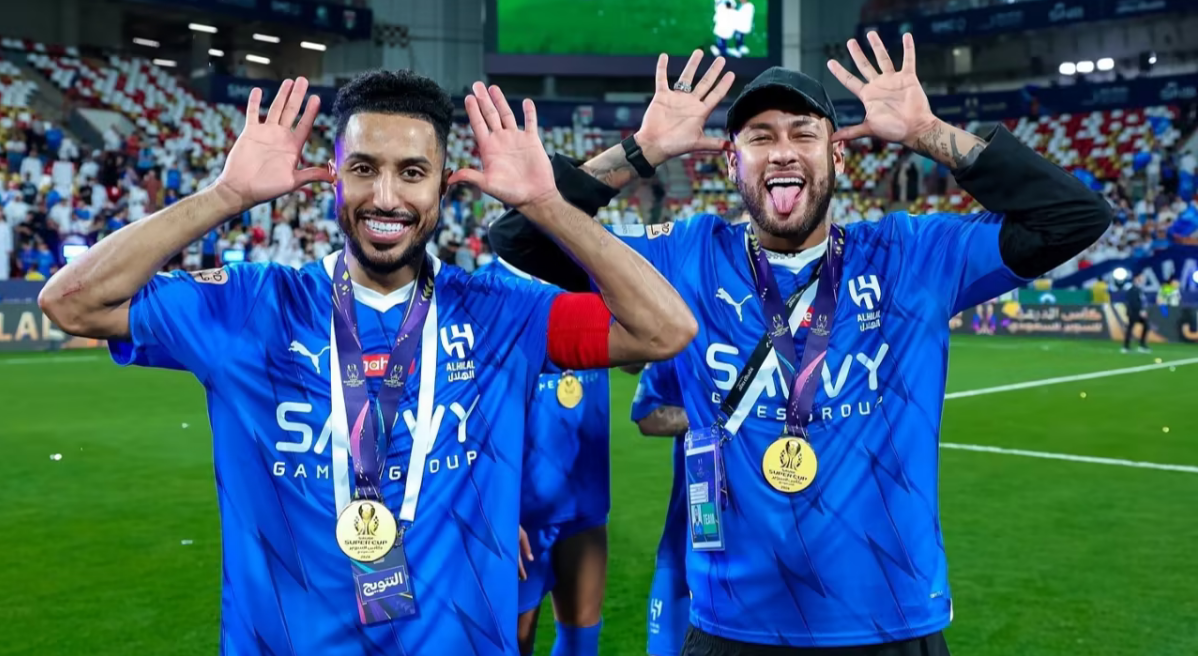
Riyadh Crescent was unbeatable even without Neymar pressing them in the last four rounds of the group stage. In the last two rounds, they even got only three foreigners. In the end, they ranked first in the group with 5 wins and 1 draw. Riyadh Victory, led by Crowe, first eliminated the top UAE giants Dubai Young National in the play-offs, and then remained undefeated in the group stage with 4 wins and 2 draws.5. The advantages of the foreign aid configuration were outstanding, especially in the offensive end.
Saad, Duhail, Persepolis and Tashkent Cotton Farmers did not advance to the West Asia zone championship. While Al Ain has advanced, he has no Saudi team in his group. Like Nasaf in Group B, he has considerably less gold.
The AFC Champions League has been reorganized for next season, with a top elite league, and Saudi Arabia has three group stage spots. Because there are only 12 teams in each of the two regions, Saudi Arabia's advantage will be even greater. What's more, the future of the Asian tournament will cancel the foreign aid registration restrictions. For the well-capitalized Saudi Arabia team, it is undoubtedly free from the last bondage. In terms of foreign aid introduction, only Qatar and the United Arab Emirates can compete slightly with Saudi Arabia in the Asian Championship.
The Qatari summer city invested a record €160 million this season, bringing in stars such as Verratti, Draxler, Diallo, Coutinho, Guedes, Plata, Giovanni, Soma and many others, but most of the stars did not play in the AFC Champions League.
As Saudi Arabia hoards top stars, the team has significantly improved and is likely to monopolize the AFC Champions League in the future. Previously, the AFC Champions League was dominated by the east over the west. Since 2006, West Asia has only won 17 AFC Champions League titles, leading to the AFC's continuous "reform" to create opportunities for West Asia. In the Elite League, a conference system will be adopted for the last eight and beyond, and there will be no more divisions. The Saudi Arabian team, which has a clear advantage in strength and hosting, is likely to kill all four sides.