What's the number of the NBA game basketball
How big is the diameter of NBA game basketball
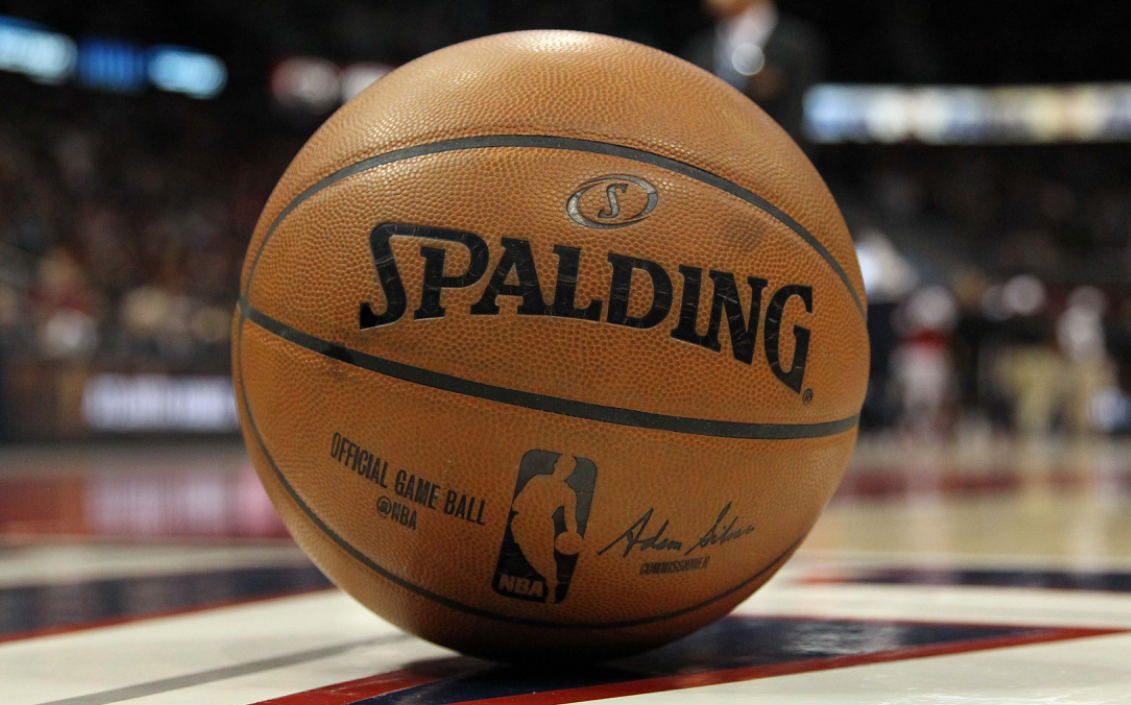
The NBA game ball is a standard size 7 basketball with a weight of 600-650 grams and a circumference of 75-76 centimeters.
This size of basketballs is a moderate size, which makes it easy for players to perform various dribbling, passing, shooting and other technical maneuvers during the game, and also ensures the fairness and spectacle of the game. Different sizes of basketballs may be used for different age groups and levels of basketball, for example, youth games may use size 5 or 6 basketballs.
The process of making NBA basketballs is complex and delicate, mainly including the following steps:
Selection:
Leather selection: NBA basketballs use top quality natural leather, which for a long time in the past was provided by Spalding, whose hides are selected from the first layer of natural leather on the back of a yellow cow, which has a full grain, clear texture, good touch and durability. Later, Willson became the NBA official game ball sponsor, the leather selection standard is still very high. Today, the leather for the NBA's official game balls comes mainly from Chicago's Hoven Leather Company, one of the oldest leather factories in the United States, which provides high-quality leather raw materials.
INSERT MATERIAL: The inner liner is made of black butyl rubber. Butyl rubber has excellent airtightness, which can well keep the gas pressure inside the basketball and ensure the basketball has good elasticity and rebound performance.
Leather treatment:
Screening and Inspection: The purchased leather is strictly screened and inspected, removing any blemishes, scars or unclear grain, and retaining only the best quality leather.
Dyeing & Tanning: Qualified leather is dyed to give it a uniform color. After dyeing, tanning treatment is carried out to enhance the softness, toughness and durability of the leather. The tanned leather becomes easier to work with and sew, as well as better adapted to the various scenarios of basketball use in the game.
Embossed Texture: The leather is embossed using a mold to create a unique pebbling (grainy) texture on the surface. This texture not only increases the friction between the player's hand and the basketball, improving ball control, but also has an aesthetic effect.
Drying and Inspection: After the above treatment, the leather is dried to remove excess moisture and chemicals. After drying, the leather is inspected again to ensure that its quality meets NBA standards.
The liner is made:
Rubber melting and molding: Butyl rubber is heated and melted, and pressed into 12-inch-wide, 0.5-inch-thick continuous rubber sheets in a press. These sheets are then cut into 18-inch long rubber strips.
Punching and installing the air nozzle: Using a mold, a 1" diameter hole is cut into the rubber strip for the air nozzle. After inserting the air nozzle into the hole, it is fixed to the rubber strip by a special process to ensure that the air nozzle is tightly connected to the inner liner and that no air leakage occurs.
Edge treatment and vulcanization: The rubber inner liner with the air nozzle installed will be treated with edge treatment to make its edge neat and smooth. Then the inner liner is put into the vulcanizing machine for vulcanization under high temperature and high pressure. Vulcanization can change the molecular structure of rubber and improve the strength, elasticity and abrasion resistance of the liner.
Sewing ball skins:
CUTTING LEATHERS: According to the designed size and shape of the basketball, the treated leather is cut into eight panels of the same size and shape using a mold. The cutting process needs to be very precise to ensure that the dimensions and angles of the panels are exactly as required.
HAND-SEWED: Eight ball skin panels are sewn together piece by piece by experienced workers using high-strength nylon thread. The sewing process uses special stitches and stitching methods to ensure that the stitches are firm and neat and will not break or open during the game. When sewing, care should be taken to keep the tension of the ball skin even, so as to make the shape of the basketball more round and regular.
Assembly and Inspection:
INSERT INSTALLATION: Turn the sewn ball skin over so that the inside is facing out, and then carefully place the fabricated insert into the ball skin. Ensure that the liner is in the correct position in relation to the ball skin and that the liner is able to completely fill the inner space of the ball skin.
Inflating and testing: The basketball is filled with the right amount of gas into the inner liner through the gas nozzle to make the basketball reach the specified air pressure. Then the basketball is tested for bounce test, circumference test, weight test and other tests to ensure that the basketball's performance indexes are in line with the NBA standards.
Appearance Inspection: Check the appearance of the basketball, including the color of the skin, the texture, whether the stitching is neat, and whether there are any defects, scratches and other problems. Basketballs that do not meet the requirements will be reworked or eliminated.
Packaging and Certification:
Packaging: The inspected basketballs will be cleaned and packaged, usually using specialized basketball packaging materials, such as plastic bags, cardboard boxes, etc., to protect the basketballs from damage during transportation and storage.
CERTIFICATION: Each NBA basketball will have a unique certification mark that includes information such as production lot, date of manufacture, and manufacturer for traceability and management purposes. Only certified basketballs can be used in NBA games.
that's all...
How big is an NBA game basketball
The answer, you want to know more about the tournament information and team data can pay attention to this site.