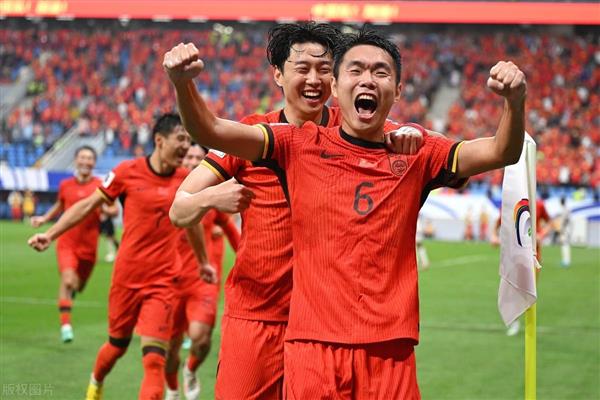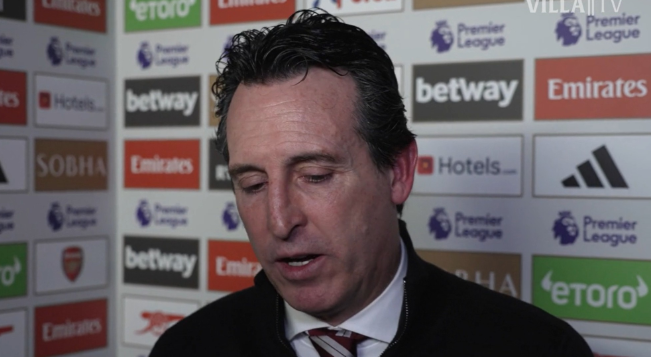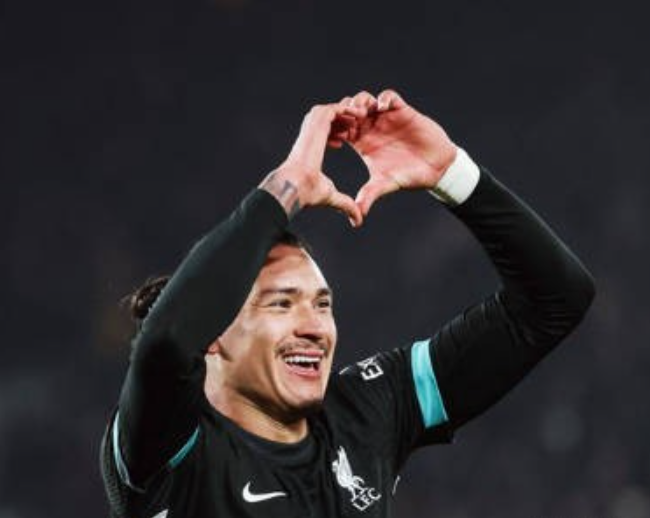


South Korea squeezed Uruguay into the top 16 with an extra-time victory. Uruguayans are devastated, while Koreans are overjoyed. Chinese soccer is also waiting for the "red envelope rain" of epic victories from its East Asian neighbors.
The two clubs could increase their revenues by tens of thousands of dollars as South Korea advances to the knockout rounds. A brief introduction to FIFA's dividend program, the main principle is to "break the wealth to eliminate disaster", or "everyone share the money to do a good job". Under the program, FIFA will pay compensation to the World Cup players' clubs in return for the clubs' support of the World Cup and FIFA.
FIFA chart on World Cup compensation distribution
All players on the rosters of the 32 teams are on the roster, usually 26 per team. The dividend period for the World Cup begins seven days before the match and continues until the day after the team withdraws. The share of the dividend is approximately $10,000 per person per day. Combined with the brief description above, for the team that wins the eventual championship, their dividend time is 37 days, 7 days of preparation before the game, 29 days on game day, and the last day of withdrawal. The champion player's portion of the dividend is then approximately $370,000 dollars. In order to create the broadest united front and gain maximum support, FIFA has also made it a point to entitle dividend clubs, including all players from clubs signed in the two years leading up to the World Cup.
Specifically, let's take a look at the Chinese Super League. South Korea won last night to advance, and the brunt of the win went to Shandong Luneng. Son Junho has been playing for Shandong Luneng since his January 2021 transfer from Jeonbuk Hyundai, so his World Cup bonus will essentially go to Luneng. Given the low likelihood of South Korea winning their December 5 match against Brazil, the South Korean international's bonus days should theoretically be 7+1724 days. Shandong Luneng benefited about $240,000 from Son Junho's dividend.
Therefore, if South Korea wins and advances, Luneng and Guoan will receive "three or five more buckets".
Beijing Guoan also benefited. Beijing Guoan have already made a lot of money in transfer fees on South Korea's main center back, Min-Ja Kim, and will get a share of the World Cup compensation. Kim Min-jae joined Beijing Guoan in January 2019 and moved to Turkey's Fenerbahce in August 2021 and Serie A's Napoli in July 2022. Three clubs have contractual relationships with him during the two-year window leading up to the World Cup, sharing $240,000 in revenue based on a percentage of time in the window. Based on the percentage of time spent at the last World Cup, Beijing's potential compensation should be in the neighborhood of $80,000 USD.
And then look at the same "red envelope" for two other Chinese Super League clubs. Although Cameroon beat Brazil last night, he still regrets stopping the group stage. But the team's striker Bassogo will also bring about 210,000 U.S. dollars in compensation income to the Chinese Super League. Basogo moved to Shanghai Shenhua FC in February 2021 from Henan Songshan Longmen FC. According to the principle of proportional distribution in the FIFA window, Shanghai Shenhua will receive about 180,000 to 190,000 dollars in compensation, and Henan should also receive 20,000 to 30,000 dollars in compensation "zero spending". I don't know how much Basogo's annual salary was when he signed with Shenhua, but this money should always be sent to others to pay back the outstanding salary.
Basogo earned 200k for a yellow card, time for Shanghai Shenhua to pay someone?
Two key center backs from Australia and Iran could bring in compensatory income to Super League clubs. Australian center back Mooy moved to Shanghai in August 2020 and to Celtic of Scotland in January 2022; Iran's Praliganji is on almost the same time trajectory as Mooy. He moved to Shamrocks in August 2020 and to Iran's Persepolis FC in January of this year. Initial calculations show that Mooi brought about 130,000 in compensation to Shanghai; Praliganji will pay out about 100,000 in compensation bonuses to Shamrock.
Shanghai can wait for red packets if Australia beats Argentina
There are also seven Chinese Super League seniors who participated in the Qatar World Cup, such as Jin Yingquan, Hammad and Olsic. They have nothing to do with the Chinese Super League during the window of two years before this World Cup, so the Chinese Super League can not compensate dividends. Comprehensive analysis and comparison, there should be six Chinese clubs that can receive compensation dividend in this World Cup, Shandong Luneng is the largest. However, their income is far from the same "dividend champion" Guangzhou Evergrande of the Chinese Super League in the last World Cup. According to the data released by FIFA archives, a total of 11 Chinese clubs received compensation income in the last World Cup, of which Guangzhou Evergrande received only 353,750 U.S. dollars, which is the top of the list of all Chinese clubs. Four years later, the then-champion clubs are in decline, and the ups and downs of Chinese soccer are regrettable.