What is a malicious foul
What does malicious foul mean?
In basketball, a bad foul is a serious foul.
I. Criteria for determining malicious fouls
Unnecessary physical contact:
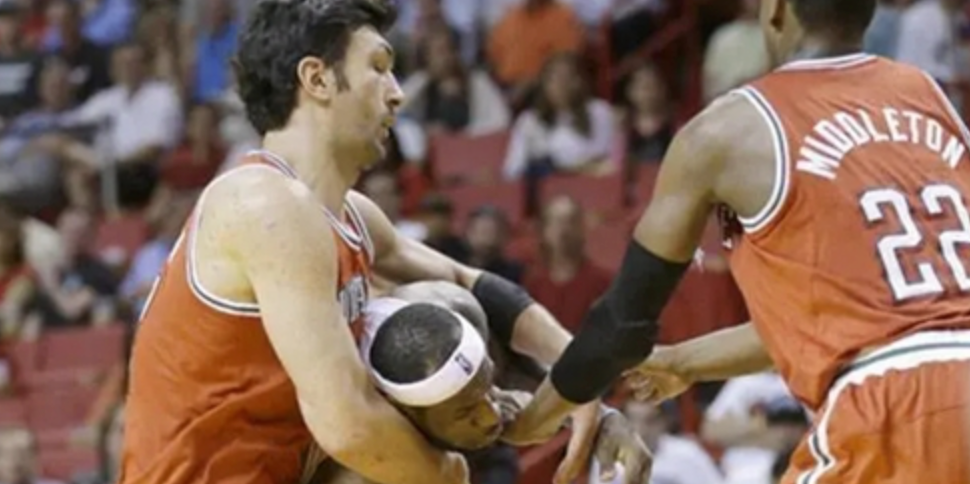
Excessive Physical Confrontation: Physical contact between players is unavoidable in a game, but if a player on one side of the field uses force beyond the normal scope of play to physically confront a player, it may be ruled a malicious foul. For example, in defense, a defensive player hits an offensive player with excessive force, causing the offensive player to lose balance or be injured.
Dangerous actions: Making a move that could cause serious injury to an opposing player, such as intentionally stretching out a leg to trip an opponent, striking an opponent in the head with an elbow, etc. For example, when grabbing a rebound, a player intentionally stretches out his leg to hook an opposing player's foot, an action that could easily cause the opposing player to fall and get hurt.
Violations of sportsmanship:
Intent to Injure: Clearly demonstrates a deliberate intent to injure an opposing player. For example, if a defensive player maliciously pulls an opposing player from behind while the player is on a fast break, this behavior may not only result in an injury to the opposing player, but also clearly violates sportsmanship.
Retaliatory Behavior: retaliating with a vicious foul after being fouled by an opposing player. For example, a player, after being fouled by an opponent, intentionally fouls the opponent viciously in the following round.
II. Penalties for malicious fouls
Grade 1 Malicious Foul:
FOUL PENALTY: If a player is convicted of a Grade 1 Malicious Foul, the opposing team is awarded two free throws. That is, the opposing team is awarded two free throws and still has possession of the ball after the free throws to continue the offense.
ACCUMULATED CONSEQUENCES: A player who accumulates two Level 1 Malicious Fouls in a game will be automatically ejected from the game. Throughout the season, a player who accumulates multiple Level 1 Malicious Fouls may face additional penalties from the league, such as fines and suspensions.
Second-degree malicious foul:
FOUL PENALTY: A second-degree foul is a more serious form of foul play, and a player convicted of a second-degree foul will be ejected directly from the game. The opposing team also receives two free throws.
ADDITIONAL PENALTY: A second-degree malicious misdemeanor usually attracts a great deal of attention from the league, and in addition to being ejected from the game on the spot, the offending player will most likely face harsher additional penalties, including hefty fines, longer suspensions, and so on.
III. Impact of Malicious Fouls on the Game
Influence on the game: Malicious fouls often lead to interruptions in the game, giving the opposing team free throws and possession of the ball, which can change the game in an instant. For example, with the score tied, a bad foul may allow the opposing team to take advantage of the situation to pull ahead.
Triggering Player Conflict: Malicious fouls tend to trigger tension and conflict between players. If a player perceives a foul as malicious, he or she may retaliate, which can lead to an out-of-control situation on the court or even lead to a large-scale conflict.
Damage to the image of the game: Malicious fouls go against the principles of sportsmanship and fair play, which can leave a bad impression on the audience and damage the image of the basketball game. This behavior may also affect the fans' enthusiasm for the game and their love for basketball.
that's all...
What is a bad foul in basketball
The answer, you want to know more about the tournament information and team data can pay attention to this site.