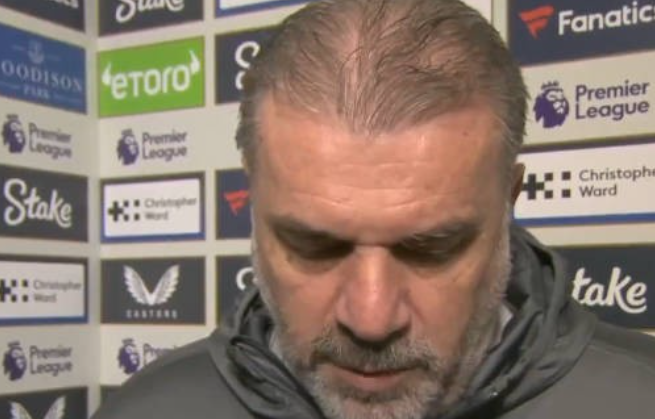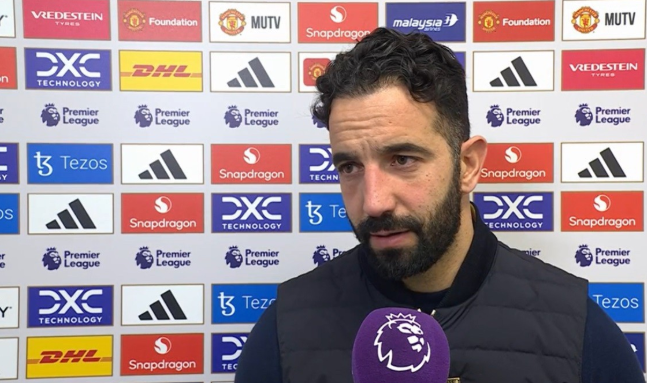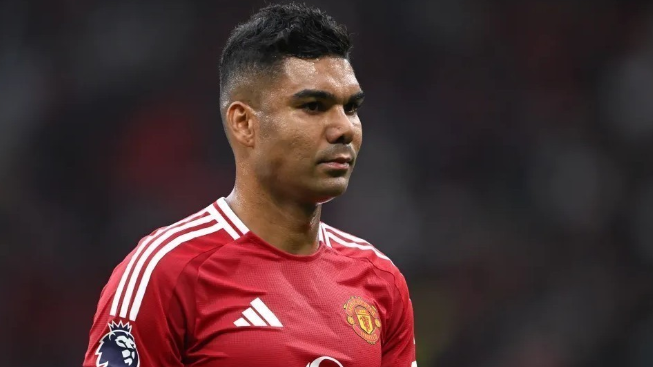

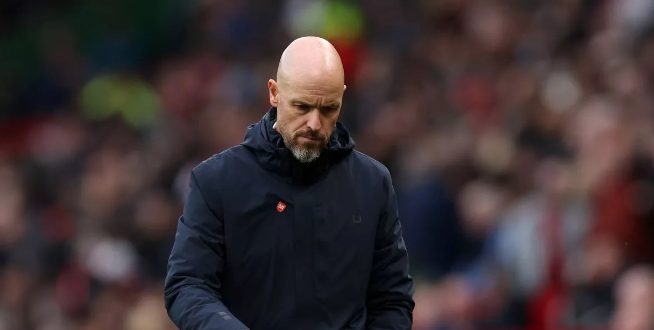
The Athletic recently wrote that Manchester United, when faced with the choice of a managerial change, must comprehensively consider multiple factors, especially the impact of the economic level. After a 0-3 defeat at home to Tottenham Hotspur, United manager Jens Ten Hagar is once again in a crisis, and despite reports that he has the support of the top brass, United's current form still leaves the outside world full of questions.
Ten Hagar's contract with United does not expire for another 21 months and it will be costly if the club decide to sack him. As previously reported, Ten Hagar earns £9 million a year, but his salary has been reduced due to his failure to reach the Champions League this season. Although the exact amount of the contractual release fee is yet to be specified, it is expected to cost United an eight-figure sum, possibly as much as £16 million, to sack Ten Hagar.
However, Manchester United's finances have become strained in recent years. While they remain a powerhouse in European soccer, with revenues that leave most clubs in the dust, three consecutive years of losses have pushed their spending close to the Premier League and UEFA caps.A £130.7 million pre-tax loss in the 2023-24 season brought the total loss to £312.9 million over three years, raising questions about United's compliance.
Ten Hagar said in February that United were unable to bring in new strikers due to "Financial Fair Play (FFP) rules". Although United have emphasized that they have not broken these rules, the pre-tax losses far exceed the Premier League's £105 million loss cap over three years. Despite being able to deduct items such as investment in youth academies, women's teams and infrastructure, United are still under huge financial pressure.
The departure of highly paid players such as Martial and Varane will help United reduce their salary costs and the club's overall wage bill will be reduced as a result of failing to qualify for the Champions League. However, this will not make up for the drop in revenue United will face as a UEFA Cup team. If United had sacked Ten Hagar at the end of last season, the cost would have been relatively low because of the short time remaining on his contract, but the cost of changing managers is now extremely high.
The United hierarchy are also aware of the potential costs that could come with a dip in the team's performance. Failure to reach the Champions League for a second consecutive season would be a heavy blow, especially with UEFA's expanded tournament format and increased prize money. At the same time, the prize money from the Premier League would also be reduced if the team's ranking in the Premier League continues to slip.
Ratcliffe has already initiated a redundancy program over the summer to cut costs after becoming the new United boss. The expense of sacking Ten Hagar could outweigh the savings from laying off 250 staff, which has certainly made United more cautious about making a managerial change. United need to find a balance between financial pressure and competitive performance to make the most informed decision.