

Even so, in this game vs Malaysia, the opponents actually finished the game, which was unexpected. The opponents didn't have a lot of possession, giving Malaysia nearly 60% of the shots on target and allowing the opponents to finish with 5 shots from the edge of the box, and that's what they delivered. This is China vs Malaysia's ladder, not vs Japan and South Korea's tough opponents!
A familiar name cannot change what you want. Unfamiliar performances, unfamiliar scores (for Malaysia), doomed hope, doomed the road ahead.
Imagination and reality are very different.
"How does Malaysia win?" Really is the understanding in the minds of many green enthusiasts. However, the imagination is really quite different from the reality. Apart from the proximity of the numbers mentioned above, we really don't have an advantage in the race scenario.
As the game began, Malaysia utilized their side of the field to their advantage, creating space on the break on a number of occasions, pressuring the national team's back and center back echelons through the center and forward lines, locking down space and pressing the lineup to give their side of the field a chance to develop and show off. The trick worked repeatedly, with a small angle shot from a breakthrough in the 6th minute coming from a similar experiment.
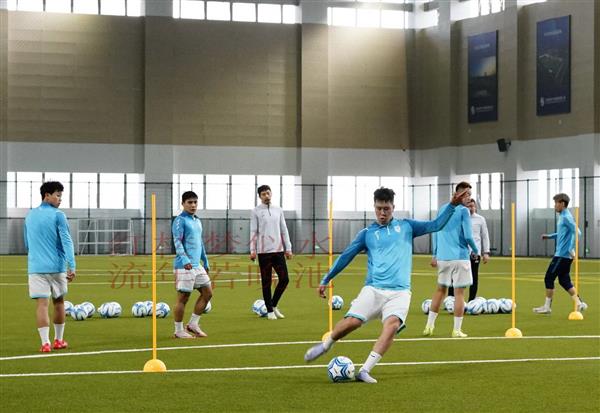
The Olympics didn't have a good strategy to crack the game, but luckily for them, they adopted a similar tactical arrangement, which was considered as "half a catty". Liu Zhurun had a shot on goal when he was on the same side of the field as the other team, but the shot was too poor to be a threat.
Both teams tried to create space on the sidelines, but Malaysia were significantly better individually, especially with the massive push from one side to the other and the individual ability to distribute, pass, carry and shoot. It was amazing and scary.
There was a brief spell of Olympic pressure before the end of the first half, but it did not translate into a breakaway score. In the post-match replay, the Malaysian defenders should be tired and physical leading to poor play.
The Olympics have given Malaysia tremendous confidence.
As the second half began, the Olympics and Malaysia started with a very clear sense of openness. Both teams had the intention of pulling their positions against each other and the midfield was very empty. However, it seemed that each team had some "roughneck" attributes and really didn't have the ability to send chances into the box, so it stayed 0-0.
From the 75th minute onwards, the physicality of the Olympics bottled up and it was a classic drama of "passing on" the big brother's legacy. Every time it came to this point, we could not keep up with the pace of the other team, even if it was the Malaysian Olympic team. Finally, in the 80th minute, Malaysia counterattacked and scuffed the post. In the 85th minute, a low shot from the penalty area almost broke through, and in the 95th minute, the kill came.
Undoubtedly, it was the autonomous slack of the Olympics that gave them a lot of confidence and made Malaysia realize that they could really win the Olympics and beat China. After this battle, the results of the last three confrontations between the two sides are:1 win, 1 draw and 1 loss in the Olympics. Why should Malaysia be afraid of you?
Their own decline has given the opposition a lot of confidence; slowly, even Malaysia is not afraid of the national soccer team (Olympics), so there really aren't many opponents to drill with their hands.
We should have known that our opponents were Syria, Iraq and Vietnam (including Thailand and Malaysia), and that we were aiming for 3.5 places out of almost 9 teams in the expanded WC (with Japan, Korea, Australia and Isreal basically guaranteed to qualify). Now, the youth teams have given their "answer" and they can't beat Malaysia. Is this the future everyone wants? Is it a given that we'll have a much easier time getting to the World Cup after 2026?