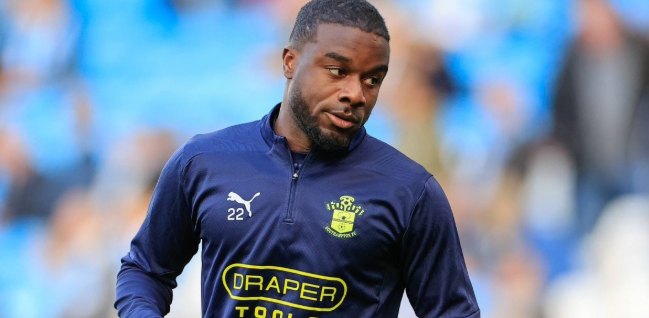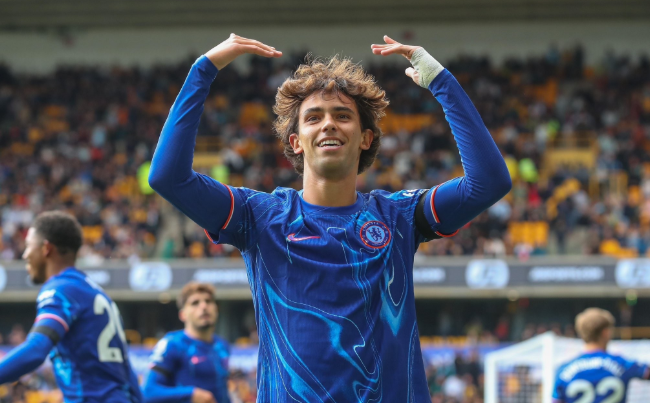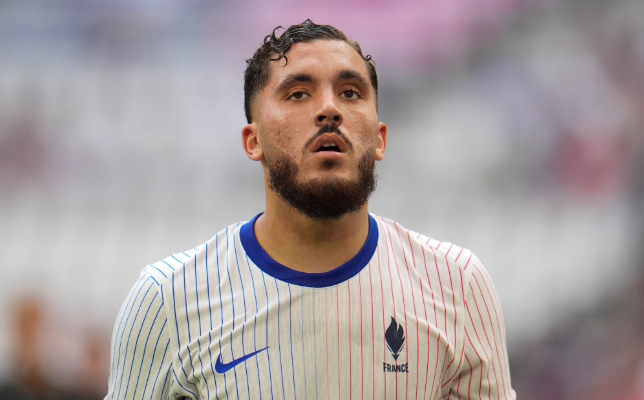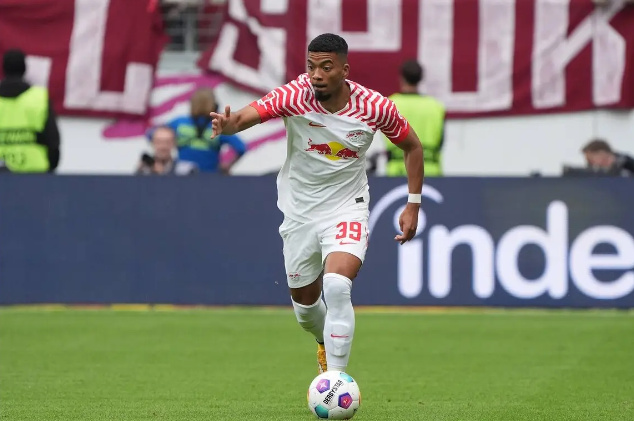


Mr. Ma of Sports Weekly looks down on naturalized players who are not related, calling them "mercenaries" who cannot play for the national football team. There may be nothing wrong with calling them "mercenaries", but is their professional attitude any worse than that of local players? They are required to speak fluent Chinese. Do they have to move their ancestors' graves to have a sense of identity? This is typical xenophobic thinking.
The naturalized players are not at all worse than the local players.
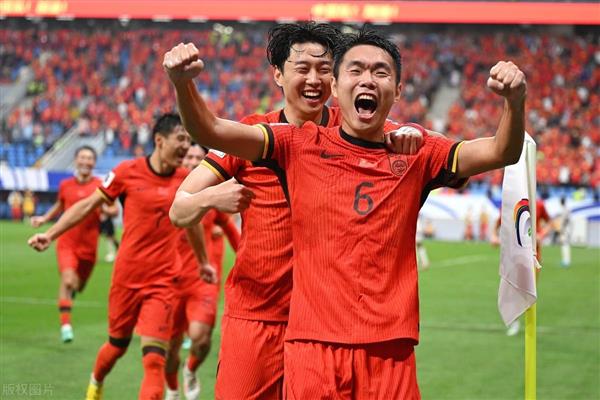
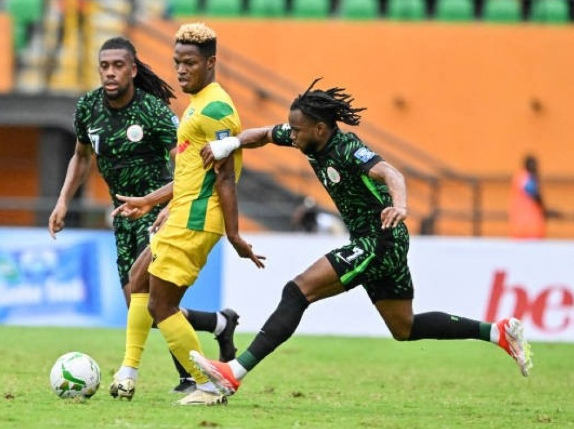
During the Top 12 tournament, Ackerson, Lok Kwok Foo and Allan's performance on the pitch was evident for all to see. On the road against Saudi Arabia, the three of them came on at the same time in the second half and forced the country into a frenzy, almost doubling their lead. At home against Australia, a few major naturalizations came on at the same time, leaving their opponents with only one point. These were the best two games of the National Football League's Top 12. The naturalized players all worked hard and played a decisive role, with no attitude problems at all.
Had they been used well, the national soccer team might not have had any hope of making it out of the tournament, or at least not perform woefully, but unfortunately they were ruined by manager Li Tie's mediocrity and greed.
The attitude of naturalized players is not worse than that of local players, both on the field and in regular training. In terms of professionalism, such as self-discipline and initiative, naturalized players are better than local players. When they say they don't have a "sense of identity", it means that they don't have the same bad habits as local players, and they don't mix with unprofessional behaviors.
In order to participate in the Asian Cup, Eckerson returned to play in the Chinese Super League.
In the era of gold dollar soccer, Ickerson made a lot of money so he could enjoy life, so he didn't need to be out on the pitch in the sun and rain. He returned to the Chinese Super League to join Chengdu Rongcheng with a fraction of his previous salary. Money is not the motivation to come back and play soccer. Moreover, he was already at the end of his career, and even less likely to enter the national soccer team to improve his social status. Perhaps Exxon may feel a little guilty that he didn't help the national soccer team advance to the World Cup. Although it was not his reason, he still wanted to help Chinese soccer do something.
Eckerson has spent most of his career in China, and his brightest moments have been here. It's impossible without emotion. In addition, he made a lot of money playing soccer in China and realized his wealth freedom. With a grateful heart, he came back to play soccer, eager to play for the national soccer team again. Eckerson has been injured. He didn't have an operation just to wait for the call of the national soccer team. He is not a "mercenary" as Mr. Ma puts it. He has no sense of identity and no problem with his attitude.
So the claim that Exxon's greatest desire is to play in the Asian Cup is not a pretext or a show.
If there is a real problem with Ackerson's "attitude," it may be because he has a different view of the management of the National Football League, or because he has a different view of the head coach and is considered a "prick."