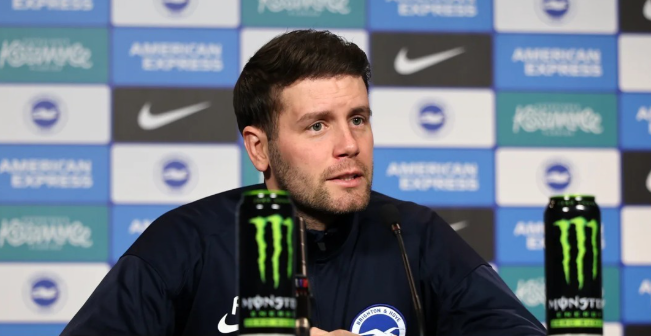


Not long ago, Spain's director of youth training, Raúl, in an interview with Football Daily, talked about some issues that might reveal some answers for everyone.
"The Chinese Super League and the Chinese League want to bring in a strong foreigner up front, but it's hard to see a player of that type on the playing field in Spain," said Raúl."" He believes that this is the difference between Spanish and Chinese soccer, "It's a difference, but not a difference. At first, some coaches would habitually emphasize strength training, but in Spain's youth training system, there is no strength training at all for this age group, because in the opinion of Spain's youth training coaches, excessive strength training will even affect the body's speed, flexibility and the brain's reaction speed. As a result, for so many years we have relied on the body to play soccer and promote individual ability to attack. There is a lack of education on the overall flow of modern soccer and the wisdom of collective cooperation.
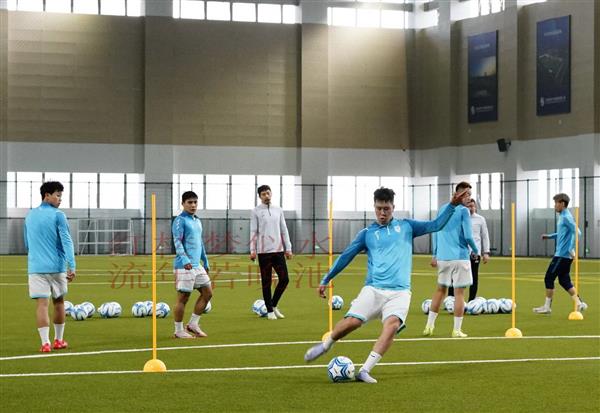
In addition, Raul said, "There are many training grounds in China, and even each echelon can use them at will." Chinese children start soccer training already too late. Many don't start until they are seven or eight years old, but in Spain, children have been practicing for more than two years, which is a big gap. Even though five- and six-year-olds are relatively young, they are already able to have some coordination, including ball sense, and the younger the exposure to soccer, the better."
As you can see, we have surpassed many other countries in terms of hardware facilities. However, the late start of our children's soccer education and the varying philosophical levels of youth training have led to players' development going in very different directions, even against the time, upbringing and mainstream of world soccer.