
Dongxing City in Guangxi is a border town with a population of only 216,000, bordering the Vietnamese city of Mangjie across the narrow Beilun River.
Last Lunar New Year, the Chinese men's soccer team lost 3-1 to the Vietnamese men's soccer team, which was a huge disappointment to hundreds of millions of fans. On this year's Lunar New Year's Eve, Little Dongxing City won the breath of our Chinese soccer team.
Since 1942, Dongxing and Mangjie, which connect the landscapes, have gradually established a tradition of soccer exchange. It was not until 1993 that the two regions officially regulated soccer matches and agreed to hold the "China Dongxing Vietnam Mangjie Lantern Festival Football Friendship Match" on the 15th day of the first month of the Lunar Calendar. The tournament will continue until 2020-2022 and will only be suspended under special circumstances. This year, the 28th Lantern Festival Football Friendship Tournament finally reignited the war.
The tournament is held in the eastern part of Dongxing City, and the game is scheduled to be held at the Dongxing City Stadium, which has a capacity of 12,000 people, and all tickets are distributed free of charge.
Mangketown has a smaller population than Dong Thanh, at 125,000, but they are the richest city in Vietnam, with a per capita income of more than $20,000 per capita. Affluence still has a big impact on soccer. According to Yang Minh Kee, head of the match department of Dong Hsing's soccer team, Mang Street has partnered with the English Premier League's Arsenal team, and the level of soccer has improved significantly in recent years.
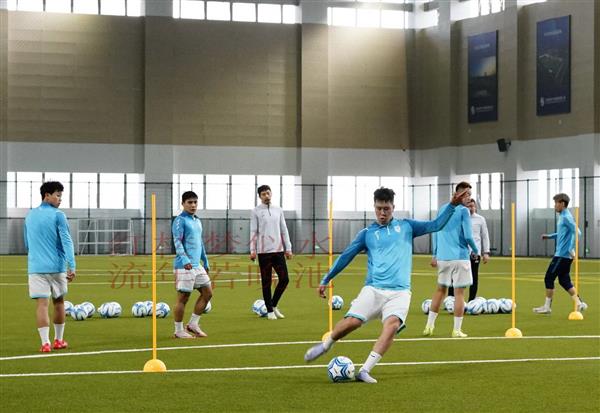
However, Dongxing is not simple. The team consists of international students who trained in Spain and players who played in the Chinese Super League. According to Dongxing's player Kevin Lui (background from Evergrande Soccer School), the team will utilize their height advantage to deal with the "smallness, speed, and spirit" of the Manggai team, and conduct targeted training.
Clearly, Dongxing's tactics had worked. In the first half, Dongxing took the lead through a one-two; in the second half, Dongxing extended the lead with a penalty kick before finally picking out the diminutive Vietnamese keeper with a dribbling shot to make it 3-0.
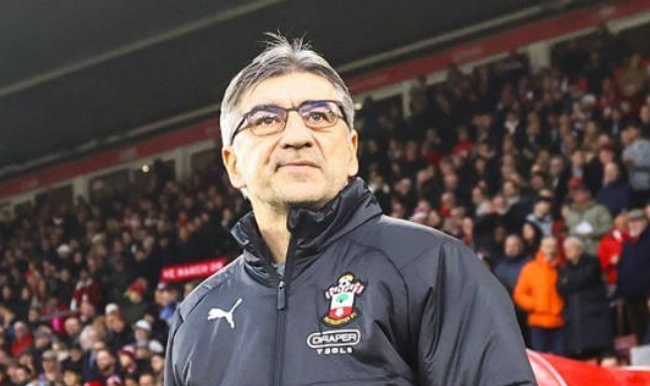
Bui Kim Ha, the coach of the Manjie team, speaks Mandarin. When interviewed after the match, he said, "Although the Manggai team didn't score any goals in this match, he was also very happy. What we value is not the game itself, but the exchange of culture and sportsmanship, and the emotional exchange of friendship between the people of the two places."
Bui Jinhe's words make sense. Soccer is not only about scoring goals and winning, but more importantly, it is a spiritual and cultural exchange from which participants can derive happiness. Chinese soccer is too focused on goals and victories, the Football Association is too utilitarian, everything must give way to the national football team, ignoring the value and significance of soccer itself. Without laying a good foundation of Chinese soccer is like a building in the air, the final result can only be the national team can not score goals, can not win the game.
There are only 216,000 people in Dongxing, but it drew nearly 10,000 people into the stadium to watch the historic Lantern Cup. Take a look at the billboards on the sidelines, the sponsors are varied and very footloose. All these show the deep mass base of Dongxing soccer. Recently, members of the Shaanxi Chang'an Athletic Team have been selling well. If the nation's passion for soccer can be stimulated like Dongxing and Shaanxi, Chinese soccer should not be far from victory.