
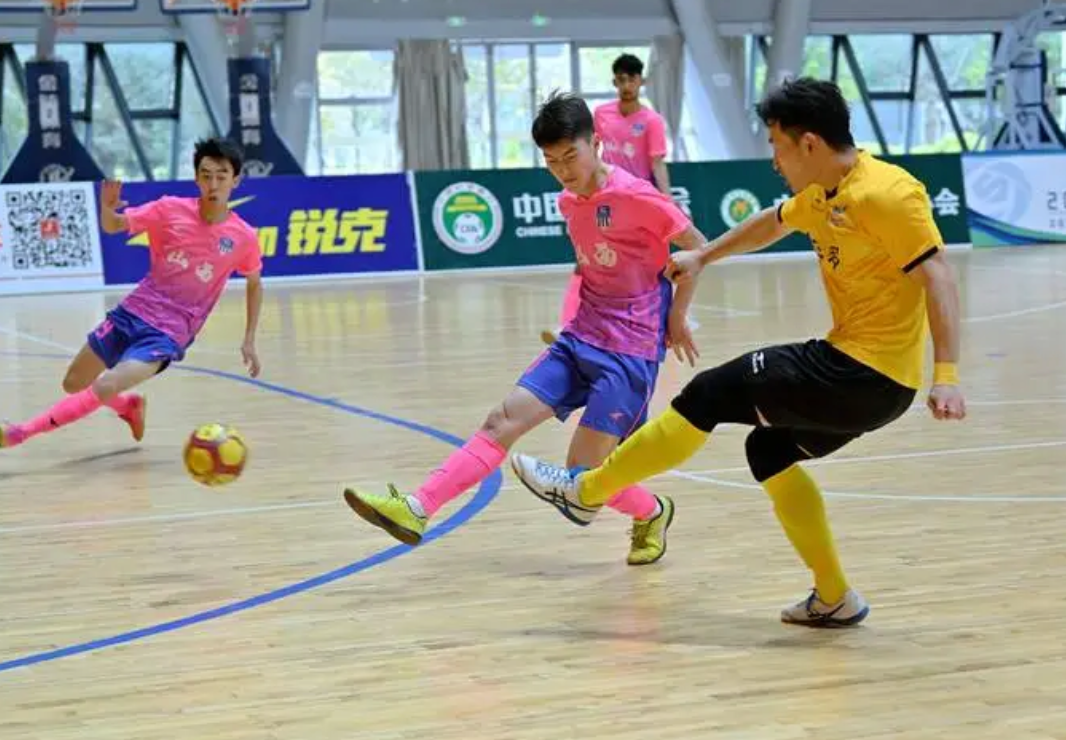
How to play futsal well
Is futsal played by five players?
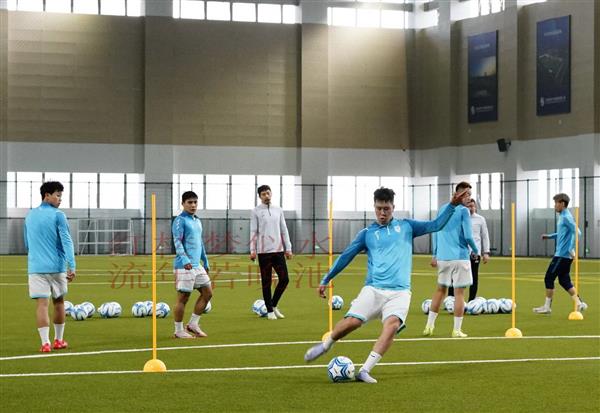
Futsal is a fast-paced, skillful and fun form of soccer. The following is an introduction to playing futsal:
I. Competition Venue and Personnel
Site specifications:
Futsal playing surfaces are usually smaller, generally between 25-42 meters in length and 15-25 meters in width. This makes the game faster paced, with players closer together, requiring more skill and reaction time.
The surface of the field may be artificial turf, natural grass, or hard surface, etc., but must be level and free of obstacles to ensure the safe conduct of the game.
Contestants:
Each team consists of five players, one of whom is the goalkeeper. Compared to eleven-a-side soccer, futsal has a smaller number of players, which requires each player to have a more comprehensive technical ability and a higher level of tactical execution.
Substitutions can be made at any time during the game, but must be made within the defined substitution area, and there is usually no limit to the number of substitutions, which provides more flexibility for coaches to make tactical adjustments
II. Basic technology
Passing:
Short passes: Due to the small size of the field, short passes are the most commonly used type of pass in futsal. Players need to master accurate short passing techniques, including the inside of the foot, the back of the foot, and so on. When passing short passes, they should pay attention to the strength and direction of the pass, and try to pass the ball to the feet of their teammates so that they can make the next move quickly after receiving the ball.
Long Pass: Although the long pass is used relatively infrequently in futsal, it is still an effective means of passing the ball in certain situations, such as a quick counter-attack or to shift the direction of an attack. Long passes need to be made with enough power and accuracy in order to get the ball to the feet of a teammate in the opponent's half of the field.
Catch the ball:
Catching skills are equally vital in futsal. Players need to learn to catch the ball with different parts of the body, such as the inside of the foot, the instep, the chest and the head. When catching the ball, it is important to judge the landing point and speed of the ball, and prepare in advance so that they can catch the ball steadily.
At the same time, it is important to make the next move quickly after receiving the ball, such as passing, shooting or breaking through with the ball, in order to avoid being robbed by opposing players.
Carry the ball:
Due to the small size of the field, players need to have good dribbling skills in order to break through the opponent's defense in a small space. When carrying the ball, they should pay attention to controlling the speed and direction of the ball and try to avoid the defense of the opposing players.
Commonly used dribbling techniques include pulling the ball under the foot, pivoting the ball on the inside of the foot, and faking to cross the ball. Players need to choose the appropriate ball carrying techniques according to the actual situation in order to break through the opponent's defense.
Shots on goal:
Futsal goals are relatively small, which requires players to have higher accuracy and power control when shooting. When shooting at goal, you can choose to shoot with the inside of the foot, the instep of the foot, the toe, and other parts of the foot, and choose different ways to shoot at goal according to different situations.
At the same time, players also need to pay attention to the timing and angle of the shot, and try to choose to shoot from a position that is difficult for the opposing goalkeeper to defend.
III. Tactical strategy
Offensive Playcalling:
Quick Counterattack: In futsal, quick counterattack is a very effective attacking tactic. When the team gains possession of the ball, it quickly passes the ball to the fast forward players, using the time when the opponent's defense is not yet organized, to quickly break through the opponent's line and create a shooting opportunity.
Positional Attack: In positional attack, the team needs to gradually penetrate the opponent's defense through short passes between players. Players can create openings by running and switching positions to create opportunities for teammates to pass or shoot.
Set-piece tactics: Set-pieces are also very important in futsal, including free kicks and corner kicks. Teams can create shooting opportunities or score directly through well-designed set-piece tactics.
Defensive Tactics:
Zone Defense: In futsal, zone defense is a common defensive tactic. Players are responsible for defending a specific area according to their position and duties. When defending, players should pay close attention to the running and passing routes of the opposing players, and make timely steals and blocks.
Man-to-man defense: In some cases, teams may also use man-to-man defense, where each player is responsible for defending a player on the opposing team. Man-to-man defense requires players to be physically and defensively aware, and to be able to follow the opposing player closely enough to prevent him from receiving the ball or shooting at the goal.
Collective Defense: Collective defense is very important in futsal. When the other team attacks, all the players of the team have to participate in the defense to form a solid line of defense. Players have to work closely with each other to complement each other and work together to stop the other team's offense.
IV. Rules and Precautions of the Competition
Game time:
Futsal matches are divided into a 20-minute half and a 20-minute half-time break. Compared to eleven-a-side soccer, futsal has a shorter playing time, which requires players to maintain a high level of concentration and tension during the game.
Fouls and Penalties:
Fouls in futsal include kicking, pulling, pushing and handball. For foul behavior, the referee will give the appropriate punishment according to the severity of the situation, such as a warning, a yellow card, a red card, and so on.
When a player receives two yellow cards or one red card, he/she will be sent off and the team will play with one less player for a period of time. Therefore, players should strictly follow the rules of the game and avoid foul play during the game.
Out-of-bounds vs. goal kicks:
In futsal, the ball is thrown with the hands, not with the feet as in eleven-a-side soccer. When throwing the ball out of bounds, the player must throw the ball into the field and not directly to a player of his own team.
When the ball is out of the end zone, the defense serves the goal kick if the offense kicked the ball out of the end zone, or the offense serves the corner kick if the defense kicked the ball out of the end zone.
Caveats:
Futsal is a fast-paced game with relatively more physical confrontation, so players need to be fully warmed up and prepared before the game to avoid injuries.
Due to the small size of the field and the close proximity between players, collisions and clashes are likely to occur during the game. Players should remain calm and rational to avoid unnecessary conflicts.
Futsal matches require high physical fitness of the players, and the players have to reasonably allocate their physical fitness during the matches to avoid the lack of physical fitness in the later stages of the matches.
that's all...
How to play futsal
The answer, you want to know more about the tournament information and team data can pay attention to this site.