
Which is the hardest position to play in soccer
Which position is the hardest to play in soccer
Each position in soccer has its own unique difficulties and challenges, but the central midfield position is usually considered the most difficult to play. Here is a specific analysis:
I. Comprehensive technical requirements
The core of the midfield needs to be extremely versatile technically.
Passing accuracy:
The core of the midfield is the organizer of the team's attack and needs to make frequent and accurate passes throughout the game. This requires not only the ability to make quick one-touch passes with teammates over short distances, but also to find the striker over medium to long distances to deliver penetrating direct passes. Xavi, for example, is often able to deliver just the right pass in seemingly impossible situations to create great attacking opportunities for his teammates.
The accuracy of passing directly affects the efficiency of the offense, and a misplaced pass may cause the team to lose possession of the ball and give the opponent a chance to counterattack. Therefore, the core of the midfield must have extremely high passing accuracy and stability.
Skillful ball control:
The core of the midfield needs to be able to control the ball securely in the face of pressing opposing players. They need to have excellent footwork skills to be able to get away from defenders in tight spaces and keep the team's offense flowing. For example, Iniesta's ball control skills are exceptional, and he is often able to take the ball out of the danger zone easily under multiple tackles, creating favorable conditions for the team's attack.
At the same time, the core of the midfield should also be able to reasonably use a variety of ball control skills, such as pulling, holding, turning, etc., according to the situation of the game, to avoid the opponent's defense, and create space for themselves and their teammates to pass and shoot.
Coil over:
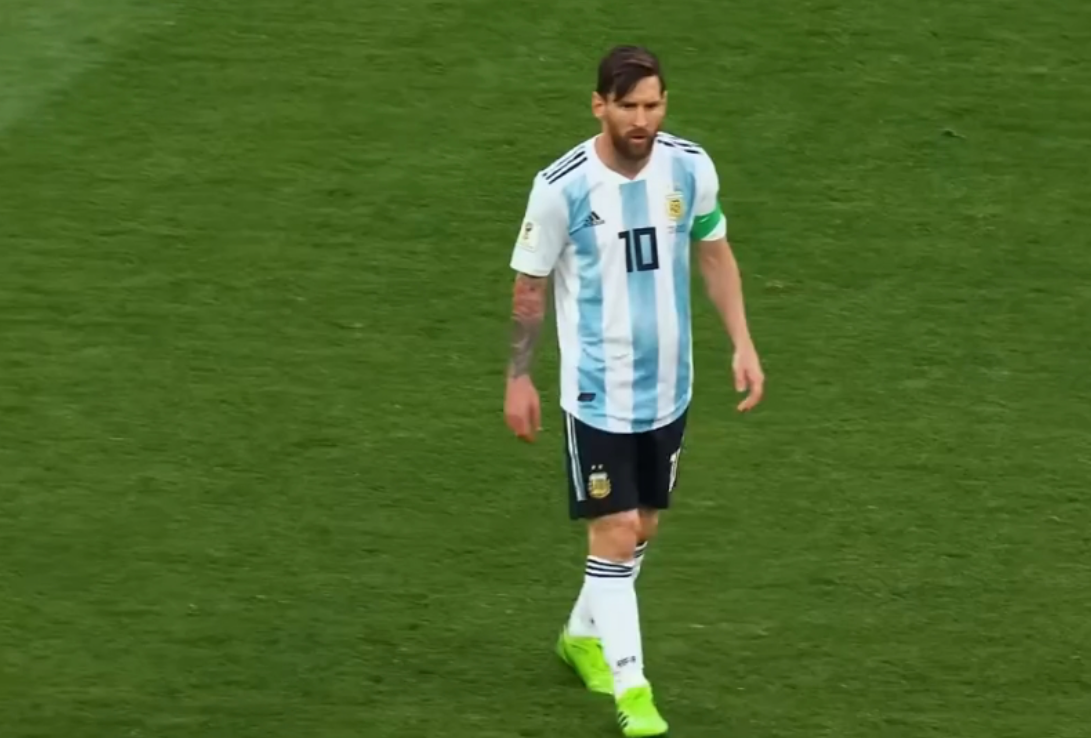
Sometimes, the core of the midfield needs to break through the opposing defense through individual disk breaks. This requires them to have excellent dribbling skills and the ability to break through opposing defenders in one-on-one situations. Messi, for example, although he appears more in the forward position, but his ability to break through in the midfield with the ball is also amazing, often able to change the situation of the game by himself.
Disking over the top requires not only skill, but also a good sense of rhythm and judgment to know when to break through and when to pass in order to avoid falling into the opponent's defensive traps.
II. Deep tactical understanding
Control the pace of the game:
The core of the midfield is the metronome of the team, responsible for controlling the rhythm of the game. They need to reasonably adjust the team's offensive and defensive tempo according to the actual situation of the game. In the attack, the core of the midfield should be able to speed up or slow down the rhythm of the game through the speed and direction of the pass, looking for holes in the opponent's defense to create offensive opportunities. For example, in the Barcelona of Pep Guardiola's coaching period, Busquets, as the core of the midfield, made the team's offense as smooth as a waterfall through precise passing and reasonable rhythm control.
In defense, the core of the midfield needs to be able to pull back in time to help organize the team's defense and slow down the opposing team's attack. They need to disrupt the opposing team's attacking rhythm by directing their teammates' runs and their own defensive moves to buy more time for the team to defend.
Reading competition skills:
The core of the midfield needs to have a keen ability to read the game and be able to see the situation in a split second. They need to be able to accurately judge the opponent's defensive strategy and attacking intentions, and make timely and appropriate responses. Pirlo, for example, is often able to pass a very threatening ball or make a key defensive move in a game by observing and anticipating in advance.
The ability to read the game also includes an understanding of teammates' positions and running positions. The core of the midfield should be able to identify teammates' openings in time and deliver accurate passes to create scoring opportunities for teammates during the game. At the same time, they should also be able to reasonably distribute the ball according to the characteristics and abilities of their teammates to make the team's offense more efficient.
Tactical execution capabilities:
The core of the midfield must strictly implement the tactical arrangements of the coach, and at the same time be able to make flexible adjustments according to the actual situation during the game. They need to work closely with their teammates to complete the team's tactical tasks. For example, in the defensive counterattack tactics, the core of the midfield should be able to quickly pass the ball to the fast forward players to launch a rapid counterattack at the moment when the team changes from defense to offense. In the positional attack tactics, the core of the midfield should be able to organize teammates to carry out orderly passing and running, looking for the weak links of the opponent's defense.
Tactical execution ability not only requires the core of the midfield to have good skills and awareness, but also needs to have strong leadership and teamwork spirit, able to lead teammates to complete the tactical tasks together.
III. Extremely high physical requirements
The run game covers a large area:
The core of the midfield is required to cover a large area of the game and they are involved in both offense and defense. In attack, the midfield core has to be able to move forward aggressively to support the forward players and create attacking opportunities. In defense, they need to be able to pull back in time to help organize the team's defense and stop the other team's attack. For example, Kante, who is known for his superb running ability and coverage area, is often able to appear in multiple positions during the game, contributing to the team's offense and defense.
This requires the core of the midfield to have excellent fitness and stamina, and to be able to keep running at a high intensity throughout the game. They need to have a good physical distribution strategy, and rationalize their running intensity in different phases of the game to ensure that they are able to perform at their best in critical moments.
Confrontation strength is high:
The midfield is one of the most confrontational areas of the game and the core of the midfield needs to dominate against opposing players. Not only do they need to be able to keep up with the physical confrontation, but they also need to be able to maintain the stability and accuracy of their technical movements during the confrontation. Modric, for example, is not big and strong, but he often stands out in the midfield with his excellent body coordination and confrontation skills.
High-intensity confrontation puts higher demands on the physical fitness of the core of the midfield, who need to have good physical fitness and physical reserves to be able to withstand the impact and confrontation of the opposing players over a long period of time.
IV. Mentally strong
Take the pressure:
As the core of the team, the center of the midfield often bears great pressure. Their performance directly affects the team's performance, so they need to maintain a calm and stable mindset during the game. Whether it is passing, shooting or defending at critical moments, the core of the midfield should not make mistakes due to pressure. For example, in major competitions such as the World Cup and the European Cup, the core of the midfield is often the key player of the team, and they need to play their best under great pressure.
In addition, the core of the midfield is subject to expectations and pressure from the media, fans and coaches. Their every move is scrutinized by the outside world, so they need to be mentally strong and able to stay confident and focused under pressure.
Leadership:
The core of the midfield is usually one of the leaders of the team, and they need to take a leadership role in the game to inspire and motivate their teammates. In difficult moments, the core of the midfield should be able to step up and inspire their teammates with their own performance to stimulate the fighting spirit of the team. Steven Gerrard, for example, is a great leader in Liverpool's midfield, and his spirit and leadership skills inspire his teammates to fight hard in the game.
Leadership skills require the core of the midfield to have good communication skills and teamwork spirit, able to build good relationships with teammates and work together for the team's victory. At the same time, they need to have strong beliefs and determination to take responsibility and make the right decisions for the team during the game.
that's all...
The hardest position to play in soccer
The answer, you want to know more about the tournament information and team data can pay attention to this site.