
Which soccer game has the longest extra time?
The soccer game with the longest extra time
There are matches with long extra time in soccer:
2022 World Cup England v Iran: The total injury time in the first and second halves of this match amounted to 27 minutes, with the actual match lasting 117 minutes and 16 seconds, which is the longest single-game extra time in the history of the World Cup. In the first half, because of the injury of Iranian goalkeeper Beiranvand, the treatment time was long, resulting in 14 minutes of extra time at half-time; in the second half, because of the incident of Maguire receiving treatment, the referee approved 10 minutes of extra time, and the penalty kick before the end of the game further lengthened the time of extra time.
La Liga match between Rayo Vallecano and Getafe: 6 minutes of extra time in the first half and 9 minutes in the second half, totaling 15 minutes of extra time, setting a new record for extra time in La Liga. Previously, Atletico Madrid's 13-minute extra time against Espanyol set a new record, but it was broken a week later. It's worth noting that Rayo Vallecano seem to suffer from extra time on a regular basis, having had four games with extra time of over 10 minutes in their history, and three of the five games with the longest extra time have involved Rayo Vallecano.
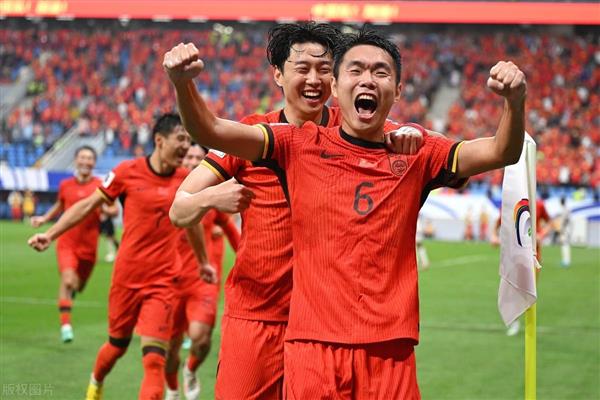
Qingdao West Coast vs Qingdao Hainiu in the 2024 Chinese Super League (CSL): Round 3 of the CSL, this match had 13 minutes of extra time in the second half, the longest extra time up to that point in the 2024 CSL season.
Extra time in soccer is determined by the referee based on the time lost during the game due to various circumstances as follows:
Loss of time due to routine situations:
Player Injury: If a player is unable to continue in the match due to an injury, the time taken for the team doctor to come in and treat the player will be counted. If the injury is more serious and requires prolonged treatment and off-field care, the extra time will be increased accordingly. For example, if a player suffers a serious injury such as a broken bone as a result of a collision during a scrum, the treatment process may take several minutes and this time will be included in the extra time.
Substitution: Each substitution also consumes a certain amount of time, as it takes time for a player to walk from the sidelines to the field, hand over to the player being replaced, and so on. Usually a normal substitution will add a certain amount of extra time, usually around 20 seconds, but the referee will also add extra time according to the actual situation if there is a delay in the substitution process, or if there is a problem with a player's equipment, or if the substitution time is prolonged due to a delay in the substitution process.
Foul Calls: When a foul situation occurs, the referee needs time to make a call, show a yellow or red card, etc. Players may protest the call or argue with the referee, which also consumes time. For example, if a player is dissatisfied with a foul call, and surrounds the referee to make a complaint, this time will be counted as extra time.
Medical stoppages permitted by the Laws of the Game: e.g. when a player needs to take a short hydration break due to hot weather, etc., the "beverage" break should normally not exceed one minute; or in some special cases, a "cool-down" break as per tournament regulations ( 90 seconds to 3 minutes), etc. These times also affect the actual playing time of the match and need to be made up in extra time.
Loss of time due to special circumstances or unforeseen events:
VAR (Video Assistant Referee) Intervention: VAR technology is used to review key penalties in a match. While the referee is waiting for the result of the VAR, the match is suspended and this time is counted as extra time. For example, when determining whether a penalty kick, offside or other key decisions are made, VAR intervention may take several minutes.
Preparation time for goal kicks, corner kicks or free kicks: When a set piece is served, the preparation process such as players placing the soccer ball and communicating with the referee, etc. If there is any intentional delay by the players, etc., which results in too much time being consumed, the referee will also count this part of the time in the extra time.
Time interrupted by equipment failure or other unforeseen circumstances on the field: e.g. failure of the headset of the referee, problems with the lighting equipment on the pitch, etc. will also be compensated for in extra time.
Celebration after a goal: Excessive celebration after a goal has been taken into account after FIFA changed the extra time rule. If a team celebrates too long after scoring a goal, the referee will add extra time depending on the situation.
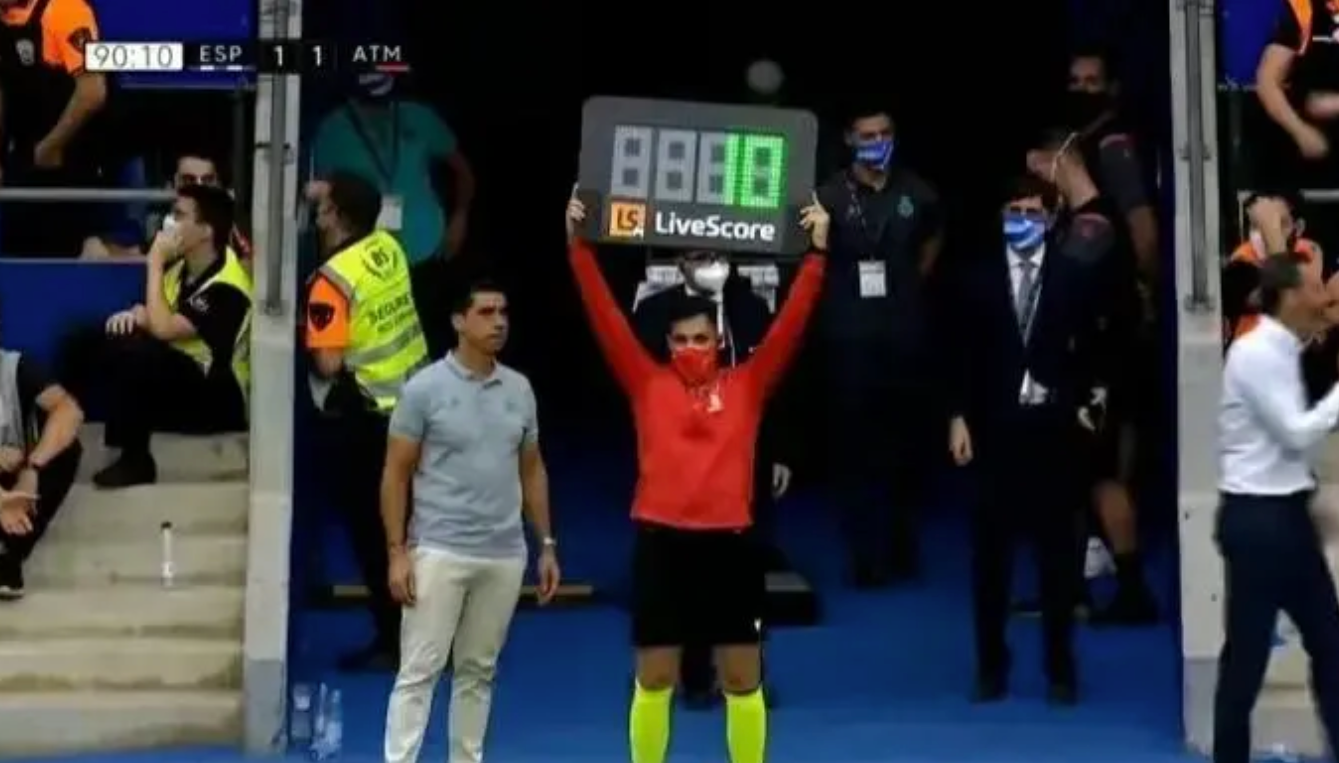
As each half of a soccer match approaches, the fourth referee will display the number of minutes of extra time to the spectators and coaches via an electronic board, as instructed by the referee. Generally speaking, the duration of extra time ranges from 1 to 5 minutes, but in some special matches, such as in extreme cases of serious injuries, inclement weather, and a large number of VAR interventions, the duration of extra time may be longer.
The above is the answer to the question of which soccer game has the longest extra time, you want to know more about the tournament information and team data can pay attention to this site.