

In FIFA in my opinion, the limited land area and population, the lack of ability to radiate foreign cultures, and especially the lack of financial resources are the natural drawbacks for Morocco to host the World Cup.
However, while the official promotion of the Cup of Hercules has failed to land in Africa for the second time in the past 30 years, it has fostered a growing, almost fanatical, soccer atmosphere in Morocco.
One of the most significant changes is to make it happen "hardware" In recent years, Morocco has met the requirements of the World Cup "belt-tightening" every year to invest real money in the construction of professional soccer stadiums for the country's young people to put into soccer to provide enough space.
In the downtown area of Casablanca, a local building was built to accommodate thousands of people, the "Football Live Zone", equipped with big screens, and the Portuguese Premier League is a great way to cheer up Moroccan fans, whether it's their national team's participation in the Africa Cup of Nations, the World Cup, or La Liga.
The real Moroccan domestic soccer atmosphere "adds fuel to the fire" of the Club World Cup 2013, which first settled in Morocco.
In this year's Cup, Casablanca Raja, who represented the hosts, surged to the top and made it to the final with a few consecutive victories. Although they still lost to the elite Bayern, they mesmerized the Moroccan fans at home.
In 2022, the Moroccan youth training development model was promoted by FIFA as a positive teaching material. Speaking at the Global Youth Talent Symposium hosted by Wenger, President Leka said, "Morocco's youth training program is based on three elements - infrastructure, talent and the right teaching staff."
"My Moroccan colleagues from the EFL and I believe that these three fundamentals must be in place for the development to go ahead as planned."
The construction of world-class soccer facilities, the selection and development of youth soccer talent, the recruitment and development of top players, and highly qualified soccer management personnel and staff are the cornerstones of the sudden rise of Moroccan soccer.
Their youth training didn't expect to turn a profit
As the number one fan of the Moroccan national team, King Mohammed VI has also used his personal influence to promote the popularity and development of soccer in Morocco.
The National Youth Academy, fully funded by the national government, is named after Mohammed VI - it dates back to 2007, when the king's mediocre players and declining competitiveness in Africa invested 140 million Moroccan dirhams (about 13 million euros) in a training center near Abat, which was officially completed in 2009.
Although Qatar is richly rivaled by the Qatari "Aspire Elite Academy" Mohammed, Mohammed VI Football Academy covers an area of 18 hectares and boasts a number of standard soccer pitches.
Academy President Majdi is also the King's personal secretary-general and chairman of the Royal Investment Group. The President of the Moroccan Football Association, Laika, is currently the Minister of Finance and is responsible for the government's budgetary allocations.
Such a heavyweight academy team, not only to ensure that the youth training funds "earmarked", but also to see the royal high level of importance to the degree of soccer.
The academy is divided into five areas - a logistics center equipped with dormitories and canteens, a teaching center responsible for teaching, a medical center to ensure the physical and mental health of young players, a technical center that includes five professional soccer fields, and an administrative center for managers and coaches.
In terms of academics, Mohammed VI Academy produces not students who can play soccer, but elite athletes who can read.
The Academy program lasts seven years and is divided into three phases: youth group for 12 to 14 year olds, youth group for 14 to 16 year olds and youth group for 16 to 18 year olds. The teaching methodology is a cultural and training program popular in Europe. The aim is to absorb young talent from all parts of the country, to train professional players and to raise the level of soccer in the country.
Today, the Mohammed VI Youth Academy has opened 12 branches in 12 regions of China with the aim of selecting the best boys and girls from China and sending them to the capital's soccer academy.
Most importantly, at the beginning of the Academy, it was positioned as a non-profit organization. Once some players are bought by other clubs, the transfer fees will be used for the daily expenses of the academy.
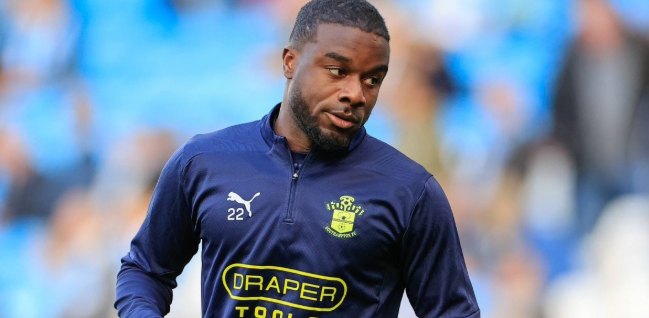
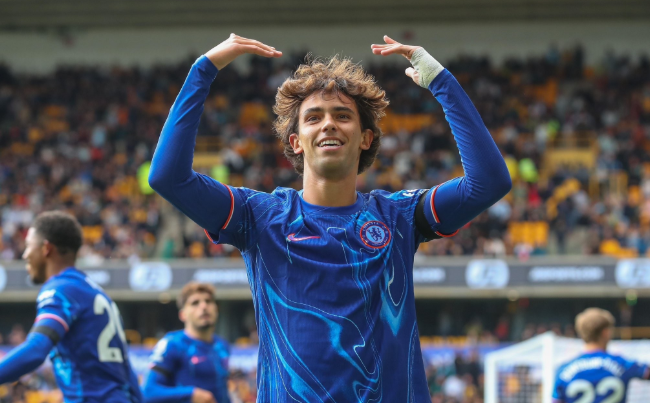
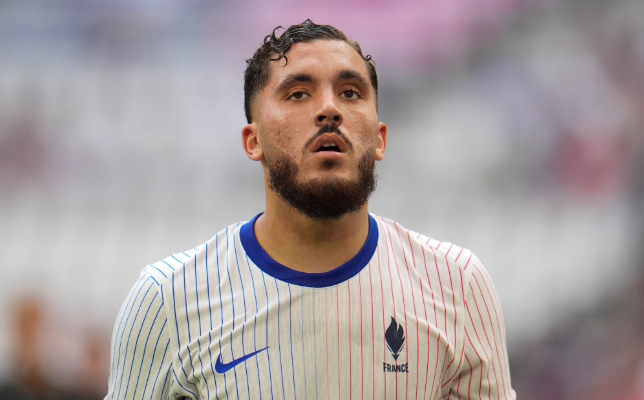
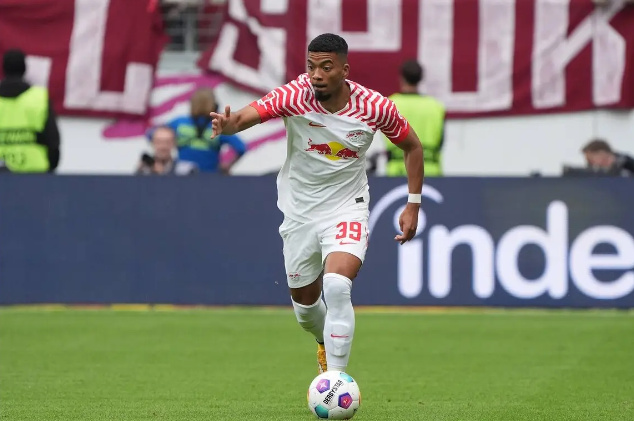
Agud, Onahi and Nnesiri, who all received their soccer initiation at the Mohammed VI Football Academy, have all played in Europe's top five leagues and have been favorites in the transfer market to varying degrees.
Success not only in the men's national soccer team.
Morocco is an example of league building.
Morocco has 6 levels of professional leagues and more than 230 registered teams. The divisions are the 16-team First Division and the 16-team Second Division In the amateur leagues, there are 16 teams in the National Amateur League, 32 teams in the Amateur League, 48 teams in the Amateur League, and regional leagues in as many as 11 divisions.
Considering that Morocco has a population of just over 40 million, the percentage and reach of the soccer population can be imagined.
In the case of futsal and beach soccer, the Moroccan Football Federation has undertaken similar reforms by establishing futsal and beach soccer leagues throughout the country.
In addition to developing great talent, soccer has become an important channel for solving the employment problem in Morocco.
The large number of professional positions offered by leagues and clubs allows young players who even if they don't make it to stardom to find suitable employment after professional soccer training.
Rooted in the love of the people and the official league system has also enabled the Moroccan national team at all levels to make significant leaps forward:
In addition to the men's national team, which reached the World Cup quarterfinals for the first time, Vidad Casablanca was crowned the CAF Champions League last season.
In Africa's first women's soccer league, it spawned the Moroccan women's soccer team to win the Africa Cup of Nations as runners-up.
The Futsal national team won back-to-back Africa Cup of Nations titles in 2016 and 2018 and reached the last eight of the Futsal World Cup - against Portugal's left-back Yahya Ala, who switched from a five-a-side field to 11-a-side.
As you can imagine, the World Cup quarterfinals are just a staged return for Morocco's deep commitment to soccer for more than a decade. The "Atlas Lions" poetry and distance are not quite there yet.