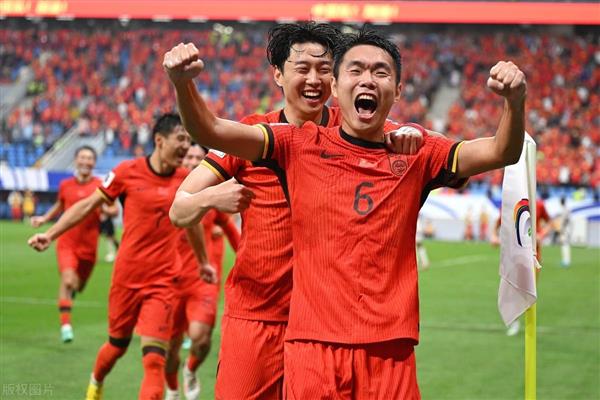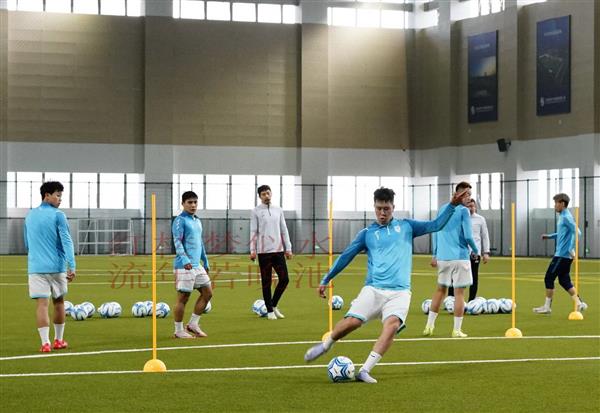


In fact, if we take a closer look at the report, we can see that the media did not say any big words. Although these words do humiliate Chinese soccer, they are also a wake-up call for the national soccer team. This media gave the difference between Chinese soccer and Japanese and Korean soccer, which is exporting young people instead of foreigners. This is obviously mocking the national soccer team's naturalized player policy not long ago. In addition, it mocks the fact that the national soccer team has no youngsters to play in overseas leagues. After looking at the data of Japanese and Korean overseas players, I realized that the difference is really big.
Statistically, Japan currently has 451 players playing overseas, while South Korea has 330, which naturally includes five European leagues and leagues in the United States or elsewhere. China's most famous overseas player during this period is Wu Lei. Compared to the hundreds of overseas players in Japan and South Korea, domestic players just want to get paid to rest in the Chinese Super League and don't want to go abroad at all. Of course, their skills could not improve for a long time and there were not many players like Wu Lei.
Currently, China is only 79th in the world soccer rankings, just one above Honduras and one below Georgia. In fact, as the second largest economy in the world, the Chinese Super League used to be the best league outside of the big five. However, the Chinese Super League has vacant facilities and money and therefore cannot find good players and good players. The wrong development of the Chinese Super League is that it spends a lot of money to attract foreign players, which not only shortens the development path of local Chinese players, but also makes a lot of players sit in the well thinking that the Chinese Super League is already at the level of foreign leagues.
It can be said that the points mentioned by this media are in fact clichés. Many people in China give similar views, but express them in a different language. However, neither the national soccer team nor the Chinese Super League can change. Ultimately, a deeper chain of interests is causing trouble. Now, former national soccer team manager Li Tie has been investigated, tapping into many of them. It is hoped that the problems in Chinese soccer will be further reduced, but it is too difficult to really get to the root of the problem.