

This evening, December 5, Beijing time, Japan and South Korea will be in the top 8 of the World Cup. Spanish media El Mundo also commented on the performance of these two teams. Meanwhile, El Mundo also pointed out the problems of Chinese soccer in East Asia:
Japan and South Korea will play in the top 16 of the World Cup on Monday, while East Asian giant China will have to watch the games at home. For Japan and South Korea, the secret to their success is exporting youngsters rather than foreigners
One night after Japan beat Spain to lock up first place in Group E, Japan's neighbors South Korea surprised Portugal by scoring in injury time to beat them and advance to the next round. Before that, Australia recovered from a 1-4 loss to France in the first leg and advanced after consecutive victories over Tunisia and Denmark.
Six AFC teams participated in the Qatar World Cup, three of which finished in the top 16. Although Australia lost to Argentina in the top 16. But it was the first time in more than 90 years since the first World Cup that three AFC teams reached the knockout stage.
"It's for Asia," explained Australian coach Graham Arnold, whose team came out of the last Euro with a surprise semi-final elimination of Denmark and held on against Argentina. Arnold was Hiddink's assistant. At the time, the Dutchman led Australia's so-called Golden Generation group to the 2006 World Cup, where they were eliminated by Italy in the first 16 games.
But there is no doubt that Japan have the most influence, they will face Croatia on Monday and can dream of reaching the last eight of the World Cup for the first time. "We have reached the world level" - said Japan coach Hiromichi Mori after the victory over Spain. Japan had only 26% of the possession in the win over Germany, while in the match against Spain the figure was only 18%.
Foreign stars
The Japanese media recently emphasized that Japan has become the third team in World Cup history to win two different matches in the same World Cup, but the team. The other two teams were Brazil in 1938 and Germany in 1970.
As far as South Korea is concerned, the team coached by Portuguese Paulo Bento shares the same characteristics as Japan. They are very physical and can take off very quickly on the counter-attack. Both countries have a recipe for success: a large number of soccer players growing up overseas, especially in the major European leagues.
Japan has 451 overseas players. South Korea, whose milestone was a controversial run to the semifinals of the 2002 World Cup, has 330 overseas players, some of them top players such as Tottenham Hotspur star Son Heung-gyi. Striker Hwang Hee-chan, who scored Portugal's winning goal in injury time, is also playing in the English league, and South Korea will also face Brazil on Monday.
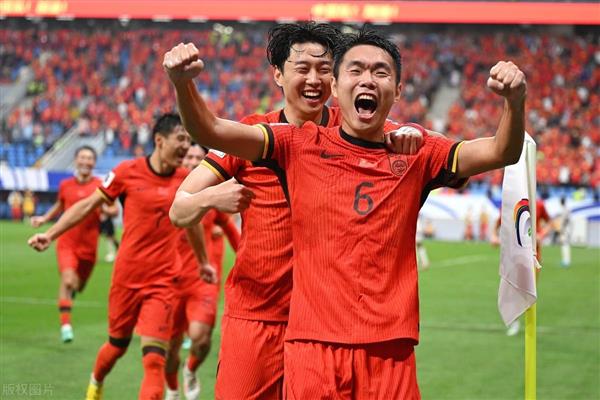
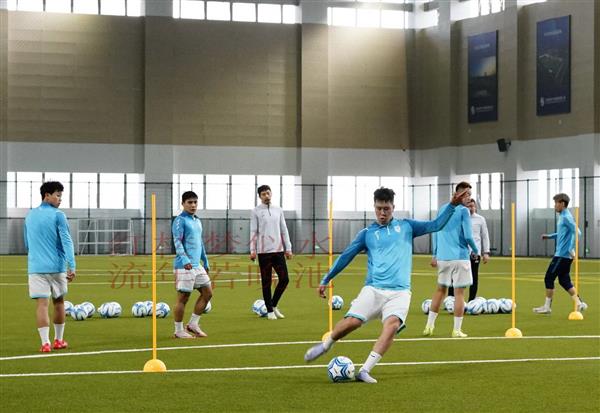
As players from these countries gain experience on the larger soccer stage, their opponents no longer look down on them as they used to. However, China, the largest country in East Asia inhabited by Japan and South Korea, has not been able to reach another World Cup since 2002. In China's only World Cup experience, it failed to score in the group stage, losing in three matches.
China's Bad Formula
Over the past decade, China has been ranked only 79th in the FIFA rankings, ahead of Honduras and behind Georgia, despite spending billions of dollars to build a formidable soccer academy and bringing in great coaches from around the world.
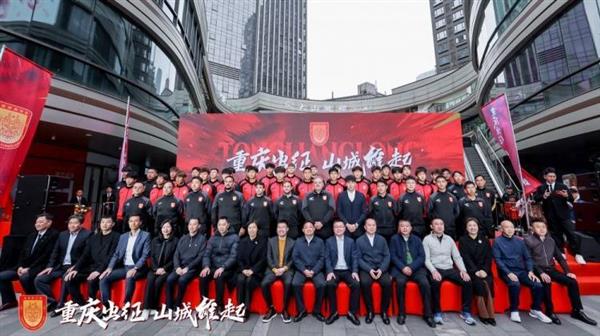
In 2016, the Chinese Super League tried to revitalize the domestic league. At that time, some of the biggest companies in China started buying up soccer clubs and paid tens of millions of dollars to some veterans looking for their last big contract and great players whose careers were not yet finished. They: Paulinho, Hulk, Carrasco, Teixeira, Hamsik and other famous names.
During those years, some Chinese Super League teams spent more than top European clubs. However, the huge sums of money spent on attracting big-name players were supported by a debt bubble that eventually burst. Now some teams can't even pay their players' salaries, and the Chinese men's soccer team didn't end up exploding. This is the complete opposite of the growing trend of soccer players from neighboring South Korea and Japan.