
Li Tie (1977-), footballer
Born in Shenyang, Liaoning on May 18, 1977, Shenyang was once one of the leading footballers in China. His career, like a melody of ups and downs, is full of explosiveness and complexity.
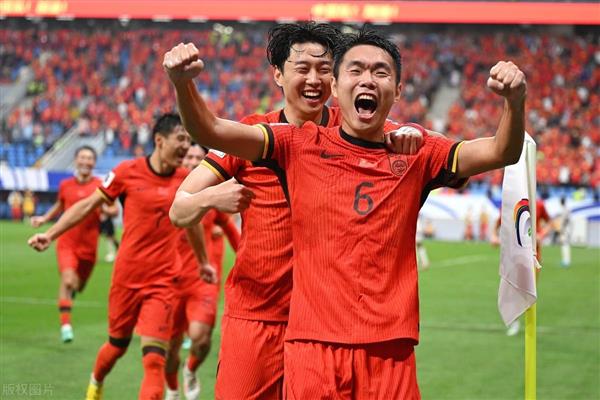
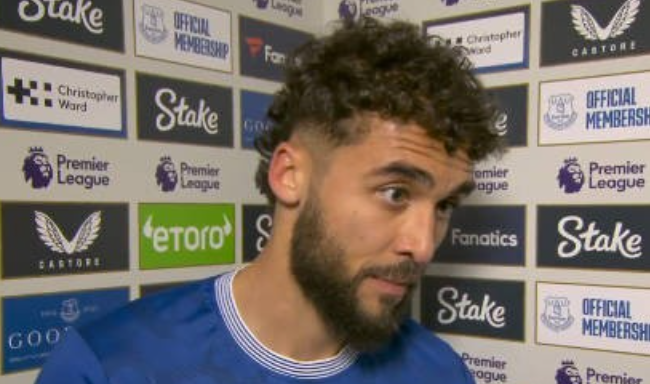
He was a professional soccer player, an international footballer and an exceptional player who stayed in the English Premier League. On the pitch, he occupied the midfield back position and was known for his tough defense. During his playing career, Li Tie was selected for the Jianlibao youth team and was a witness and participant of those crazy years. He spent four seasons at Everton, appearing in 34 Premier League matches, and became a member of the national team, participating in the World Cup Asian group stage and the last ten, as well as the 2002 World Cup in Korea and Japan.
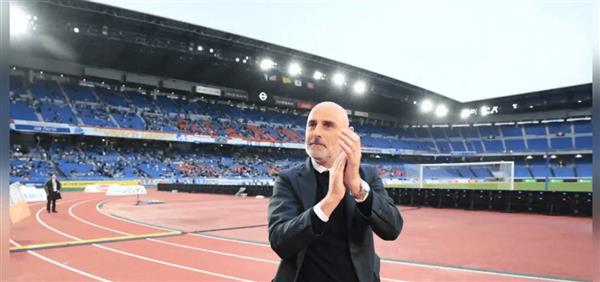
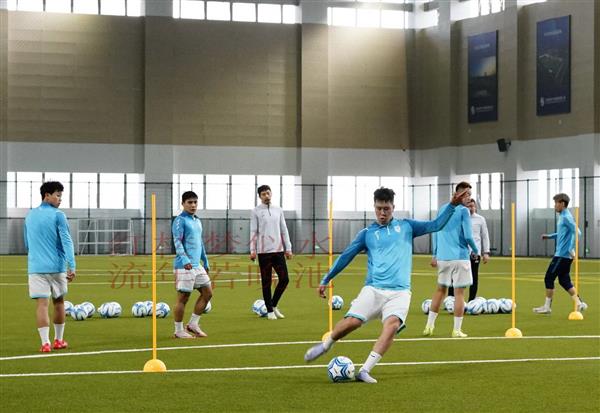
After his retirement, Li Tie turned to the field of soccer management, successively serving as an assistant coach of Guangzhou Evergrande and following Lippi to learn the advanced Italian soccer philosophy. Later, he became the assistant coach of the national team, assisting Alan Perrin to participate in the 2015 Asian Cup. After leaving Evergrande, Li Tie joined Hebei and served in several positions at Hebei Huaxia Happiness Football Club, leading the team to successfully reach the Super League, just one step away from the AFC Champions League. He then served as general manager and sporting director and head coach of Wuhan Zall FC.
After his retirement, Li Tie's career was smooth and scenic. However, he suffered a career low during his tenure as head coach of the national team. Facing an unfavorable situation, he led the men's soccer team to stand out and successfully enter the Top 12, but eventually left his post due to unsatisfactory results and other reasons.
The main reasons for Li Tie's departure are as follows: 1. Unsatisfactory results: Although fans, media and commentators are clear that the national football team is not absolutely sure to break through from the Top 12 to success, the current points and stadium performance is really unconvincing. 2. Inadequate level of national players: Compared with clubs, there is a gap in the level of national team players, which affects the overall performance. 3. Collective sports problems: players' selfishness and disunity affect the overall strength of the team. 4. Team management problems: the FA stipulates that the salary of national players is higher than that of other players, which leads to the phenomenon of private operation and even the phenomenon of players giving gifts in order to enter the national team. 5. Mishandling of media relations: the relationship with media reporters is tense, affecting the public opinion environment. 6. Problems with the use of naturalized players: the use of naturalized players wavered, resulting in the players not being able to play at their proper level. 7. Personal character defects: Li Tie's character is stubborn and difficult to listen to others' opinions.
Li Tie's career has been full of highlights, despite the difficulties he encountered during his tenure as head coach of the national team. Now, he has chosen to take a step back, perhaps in another new chapter of his career.