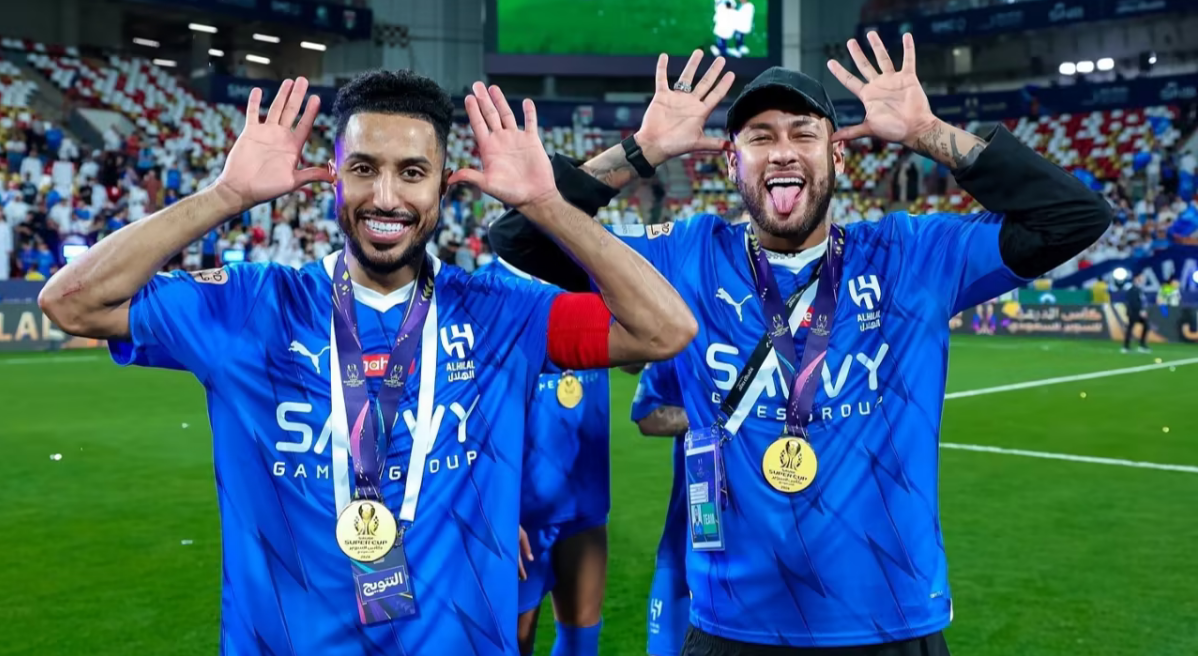


What is intriguing is the fact that most of the warm-up opponents selected by Japan and South Korea for the upcoming cycle of international tournaments are the same. Japan will welcome Paraguay, Chile and three other South American powerhouses who will also travel to Japan and South Korea for tournaments. This undoubtedly reveals that Japan and South Korea, as the top forces in Asian soccer, possess considerable strength and naturally fulfill the warm-up needs of many of the world's strongest teams. At the same time, in order to ensure the quality of the national team warm-up, the two football associations also do not hesitate to invest a lot of money. According to Japanese sources, the Japanese Football Association paid as much as 300 million yen (about 15.23 million yuan) to invite the Brazilian team to play a friendly match. In the current epidemic and world economic situation, this price is undoubtedly extremely attractive. The Brazilian FA has thus promised to send its main lineup, including Neymar, to the match.
It is reported that the Japanese and South Korean Football Associations have always been diligent and frugal in ensuring the quality of their national teams' warm-ups, although they have not spared huge sums of money. Similarly, the same is true for several of the invited teams. Specifically, these three South American powerhouses traveled to Asia this time, if only a warm-up match, from the point of view of preparation for the World Cup or exercise team, the cost-effectiveness of long-distance travel is relatively low. Therefore, these three football associations will seek more affordable, accept the invitation of the Japanese and South Korean football associations is also logical. As similar high-level world warm-up matches are usually determined six months or even more than a year before the start of the tournament, in the flow of information today, Japan and South Korea football associations naturally will not miss each other's team's warm-up program, information and resource sharing has become inevitable. More importantly, the Japanese and Korean FAs can save a lot of money by inviting the same opponents to warm up in their countries at the same time. For example, most of the costs of the Brazilian team's trip to Asia will be borne jointly by the Japanese and South Korean football associations.
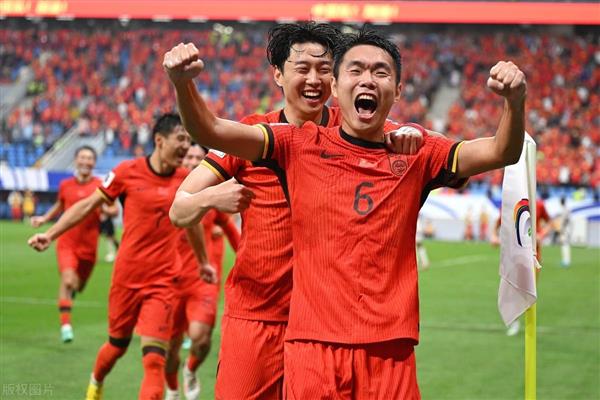
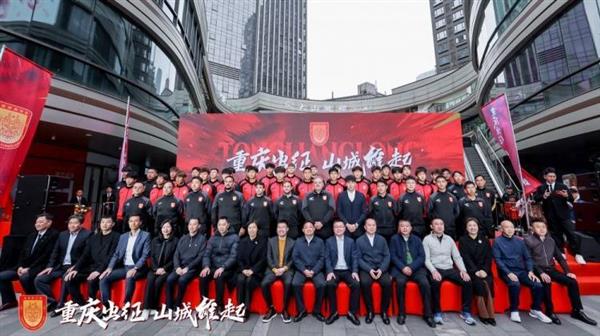
As a core member of the East Asian Football Confederation (EAFC), the Chinese Football Association (CFA) could have joined hands with the Japanese and South Korean Football Associations (KFAs) in the execution of international warm-up matches. For example, a few years ago, the Chinese team had invited the Uruguayan team and other high-level warm-up opponents, also visited Japan and South Korea and other neighboring countries for warm-ups at the same time. Unfortunately, due to the impact of the epidemic, the match program for the new season of the Chinese Super League has not yet been determined. And since the Chinese team has been excluded from the Qatar World Cup in advance, there are no other important preparation tasks for this year. In addition, due to the impact of the epidemic, the representative teams of other member associations (national teams) will not be able to come to China for warm-ups in the short term, and the Chinese team has no plans to visit China in the near future. In this case, the CFA has considered "giving" the international tournament cycle of May 30th to June 14th to the first phase of the Chinese Super League.
Compared to Japan and South Korea, which occupy a leading position in the Asian soccer world, the backwardness of Chinese soccer is not only reflected in the technical aspects of the soccer field, but also in many aspects off the field. In addition to envy rivals, Chinese soccer more need to be down-to-earth, with the spirit of practical work to lay a good foundation.