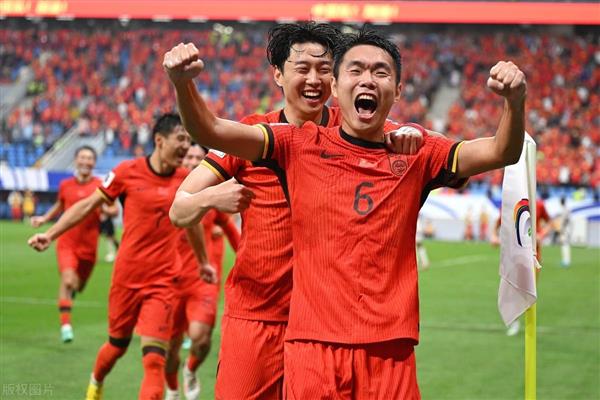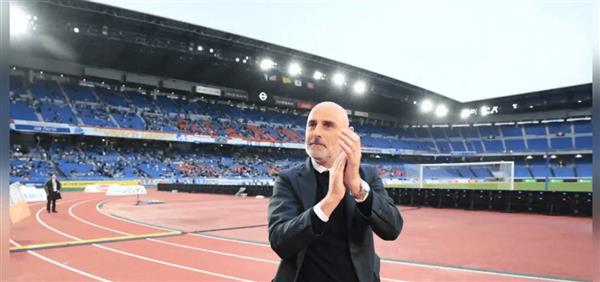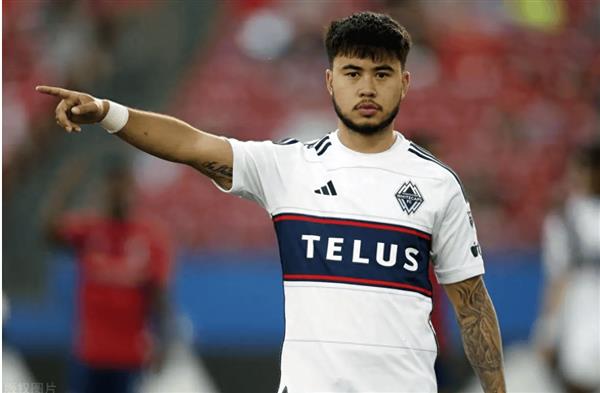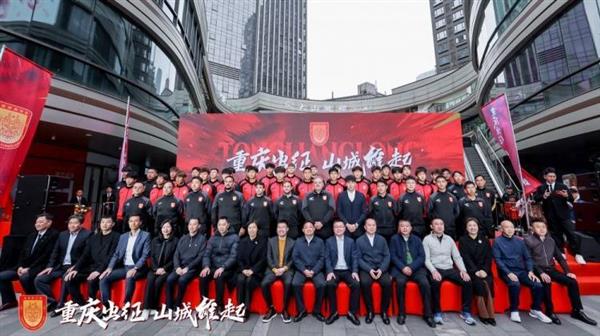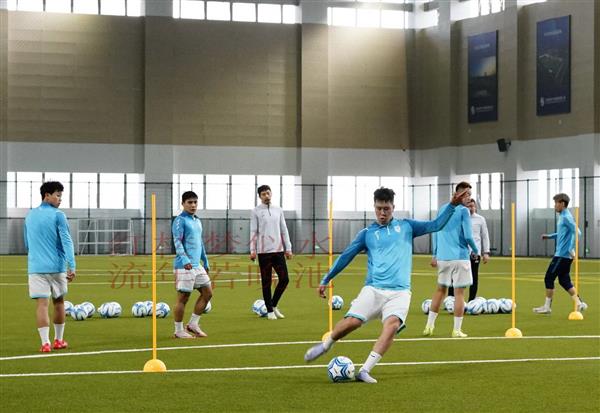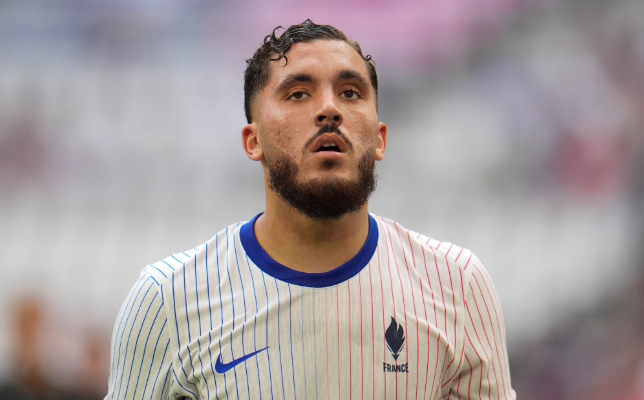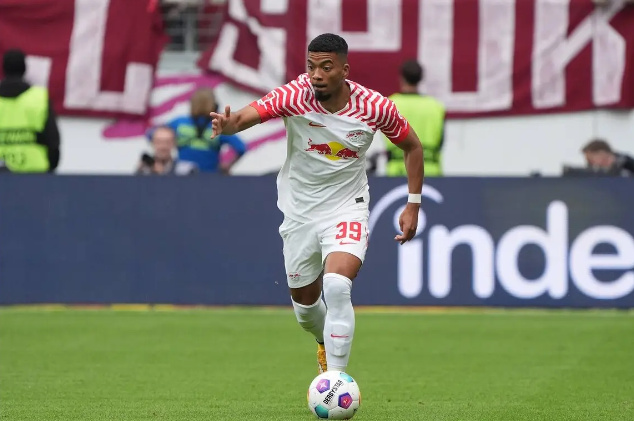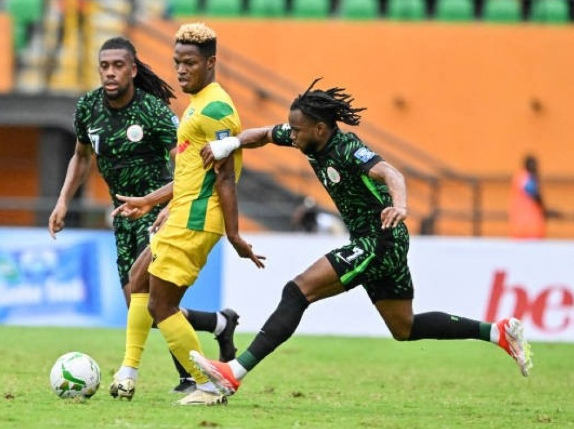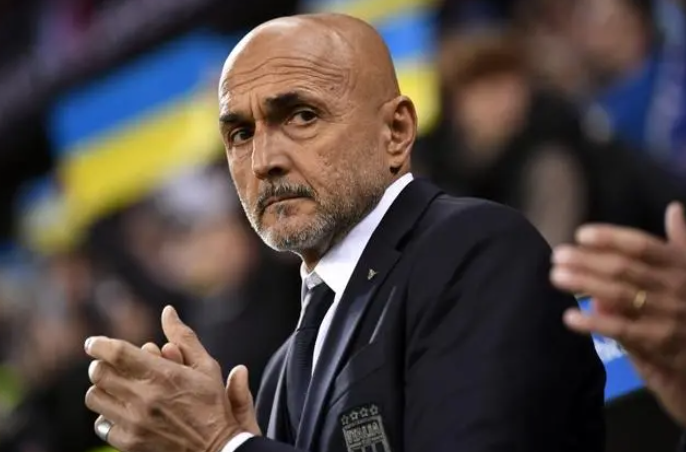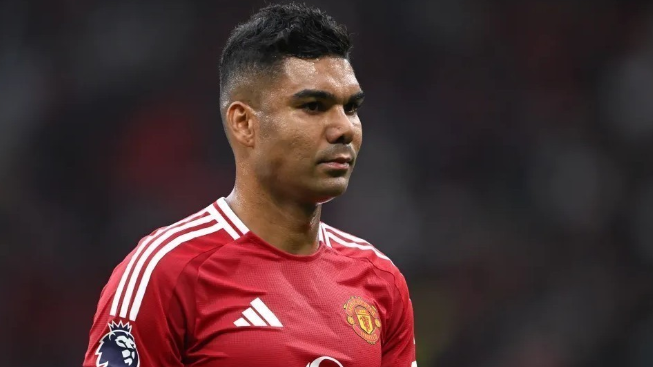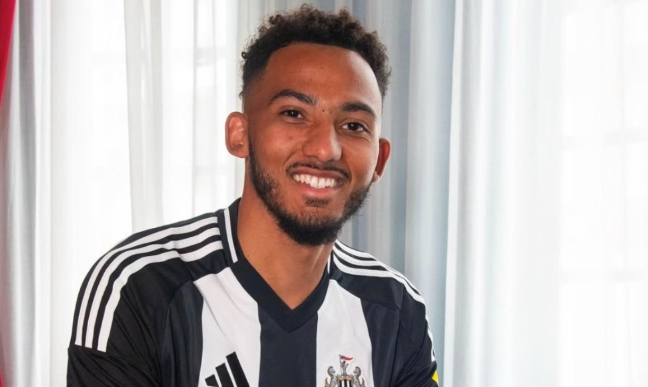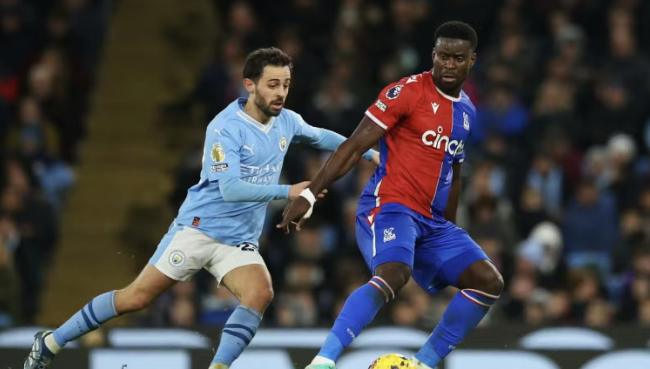


Look at this "national football" naturalization road, Fernando, Exxon and other new recruits are showing their talents.
For a long time, China's soccer carries the grand vision of "breaking out of Asia and going global", but it has repeatedly hit the wall and drifted farther and farther away. Therefore, some people put forward the policy of naturalization, that "the strength of other countries to help my weakness", so Hou Yong Yong, Li Ke, Exxon and other naturalized players have been naturalized.
The introduction of naturalized players initially triggered a huge controversy, and opinions from all sides clashed fiercely, with some people supporting it and others firmly opposing it. Some people believe that, without naturalization, the national football team will never be able to come out; some people firmly believe that, even if a hundred years do not enter the World Cup, but also rely on their own efforts.
Now, the road of naturalization of the national football team has gone through several years, from the initial controversy, to today's open acceptance, naturalization has become a reality. The Chinese Super League giants, Beijing Guoan, have welcomed the first naturalized player in their history, Hou Yong Yong.
Subsequently, Brazilian players have been naturalized, and some have even been selected to the roster of the current World Qualification Tournament. However, naturalization can really improve the level of national football? Can it really solve the long-standing problems of the national football team? This is a question worth pondering.
Our neighboring countries, Japan and South Korea, although not dare to say that the world's soccer powerhouse, but at least in Asia has been occupying a leading position. They know very well that relying on others can only solve the immediate problem, to long-term development, or to rely on themselves. Therefore, the two countries have been insisting for many years to send a large number of players to the European League exercise, this road is very solid, correct and healthy.
As a matter of fact, our country did not start later than Japan and South Korea in sending outstanding players to play overseas. Players such as Yang Chen, Shao Jiayi and Zhang Xunzhe played in the German Bundesliga, and Sun Jihai, Li Tie and Fan Zhiyi broke through in the English Premier League and League One, all of whom were once the backbone of the national soccer team. We even have the glorious history of the whole Jianlibao soccer team studying in Brazil. However, for some reason, our momentum once became sluggish.
Some people say that the roots of the national soccer team are too weak and that too few people play soccer. But I don't think that is the case. If there are 200 people out of 2,000 playing soccer in a country, you would think it's a lot; but if a country with a population of 500 million has 2 million people playing soccer, would you think it's too few? The real problem is that there are too few players like Wu Lei who play overseas and have influence, and the comfortable, nice, peaceful and rich environment of the Chinese Super League makes such players scarce.
In contrast, Japan and South Korea have a large number of players in foreign leagues and most are regulars in Europe's top five leagues, with some even becoming Spurs' leading players.
So, what can naturalization bring to the national football team? 12 strong match will give the answer. If successfully out of the line, no matter what role naturalized players play, will be recognized as a success. But once the World Cup final round, the naturalization of this project whether to continue to implement, perhaps will trigger a new debate.
Of course, this time, it must be the side against naturalization that will raise its voice. Therefore, to a certain extent, the 12-team tournament is not only a test of whether we can enter the World Cup final round, but also a test of the necessity and continuity of our implementation of the naturalization policy.
In conclusion, naturalization is an eternal topic with far-reaching implications. If handled properly, the benefits will outweigh the disadvantages; on the contrary, it may have a negative impact on our soccer development. Since we have to rely on naturalization in the future, whether we will still let our children play football is also a question worth pondering. Therefore, naturalization is a big issue, and it is even a big chess game that cannot be finished.