

By Yang Xiaoxiao, Special Correspondent: From the 0-2 deficit to the overtime comeback, China's women's soccer team's Olympic journey is full of twists and turns. Nonetheless, the players have always been firm in their beliefs, as Wang Frost said, "Even if you rush, you can also rush you", behind all this, is the solid foundation of physical fitness. And all this is closely related to the daily nutrient intake. Before paying attention to the players' legs, you must first pay attention to their stomachs. Cao Jianmin, the nutritionist of the women's soccer team, is the one who can guard the stomachs of the women's soccer girls.
Cao Jianmin, a doctoral supervisor and professor at the School of Sports and Human Sciences of Beijing Sport University, is a leading expert in the field of sports nutrition in China. Since the 1990s, Cao Jianmin has been engaged in education and scientific research, and at the same time, combined with practical experience, he has provided logistical support for a number of national sports teams, helping them to go to the World Championships.
Cao Jianmin accompanied the women's soccer team to the Olympic qualifiers as a nutritionist, and witnessed the exciting moment of the line together with the women's soccer team. We recently interviewed Prof. Cao Jianmin to learn more about the dietary arrangements of the women's soccer team and the emerging profession of sports nutritionist.
◆FootballFirst of all, congratulations to our women's national soccer team, which you are involved in securing, for successfully advancing to the Tokyo Olympics, can you tell us more about your daily work in the team?
Cao Jianmin: I came here to be mainly responsible for the two aspects of sports nutrition and dietary nutrition for athletes. Specifically, I am mainly responsible for the formulation of the approximate nutrient intake of three meals a day, as well as the scientific and reasonable supplementation of sports nutrients.
◆ How do you monitor nutrients for women's soccer? About how often do women's soccer players supplement their nutrients during training?
We monitor the athletes' physical condition and to ensure the overall physical condition of the athletes, we plan the procurement of sports nutrients and the supplementation program for each athlete. Supplements are adjusted according to the different physical and mental conditions of the athletes. Specifically, we will replenish the players with 150~200 ml of sports drinks every 10~15 minutes during sports training. In terms of dietary nutrients, we will consult with the cafeteria to develop some recipes according to the nutrients required by the athletes.
The cafeteria will also provide recipes, and we will make some adjustments to see which recipes are unreasonable, for example, we basically do not provide some meat or deep-fried ones. In general, pork is not provided. Protein foods are mainly fish, beef and mutton, and generally avoid deep-frying, and fish are mainly steamed or cooked in other ways with less oil. The overall principle is to ensure nutrients first, while matching well and reducing frying, which is our preferred choice.
The second is vegetables, most of the leafy vegetables we are supplemented with Chinese or Western style salads to prevent the destruction of vitamins under high temperature cooking, and also to minimize the intake of fats and oils. Chinese stir-frying, which tends to bring a lot of fat in the vegetables, may make the athletes consume too many calories, leading to increased body fat and other problems, affecting the physical and mental condition of the athletes.
There's also a lot of attention to staple foods, because soccer is a long term sport and it requires good sugar reserves, so we try to focus on pasta as far as staple foods are concerned, but of course there's also rice, a variety of pasta to sift through.
◆ What do you think are the girls' favorite and least favorite things to eat in women's soccer?
Favorite food is definitely the same as other girls, like to eat chocolate, love to eat cake these, but we will be in the early stage of the players to carry out some nutrient education, we are in the process of operation, but also try to prevent some of the high-fat, high-calorie intake, we are in the case of ensuring that the nutrient mix is reasonable, to ensure that it tastes good. During the training period of time, like high fat cake type is basically not. After the competition, in order to ensure the taste of the athletes, we will give some appropriate, but I found that now they have been basically not very good at eating.
They prefer to eat ribs, lean ribs, beef, that kind of thing, including some coleslaw, which they still prefer, including noodles. We had a celebrity chef during the last Women's World Cup and this qualifier, and he followed this nutrient specification and requirements that I came up with. For example, the key to the noodles is the ingredients, we want stock, he adjusted by chicken and bones cooked out of the stock, to make this noodles taste very good, the players are still more interested in the noodles, is the favorite.
Do not like to eat things, perhaps is fat, because the girls, is more beautiful, they also know that eating long fat, so generally not particularly like to eat.
◆ What's the most impressive thing you've learned during your time in women's soccer?
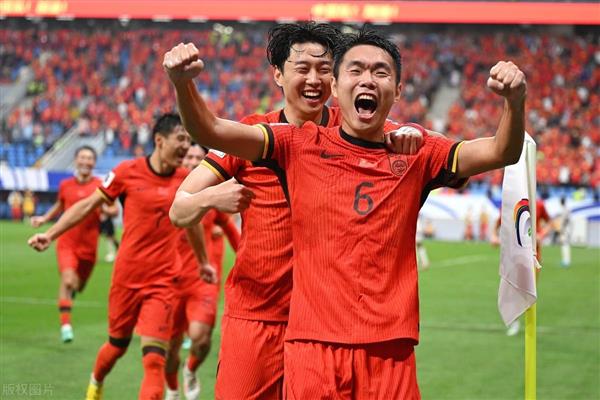
The most profound is the game, in Korea away we 2-1, in the home field we 0-2 down, I thought in my heart we have hope to recover, of course, I also think that the women's soccer children can fight, and finally they through their own hard work, complete the promotion, shows that these children's spirit of hard work, encounter adversity do not give up.
From our professional point of view, they all recognize the importance of diet and can follow the requirements to go along and follow a scientifically sound diet to ensure their fitness. I was also impressed by the fact that these children were still largely able to comply with the dietary requirements of our researchers.
◆Football: I would like to know how you got involved in sports and why you chose to specialize in the field of sports biochemistry.
Cao Jianmin: This is my specialty. I graduated from the Department of Chemistry, Jilin University, majoring in biochemistry, because biochemistry specializes in the study of chemical changes in living organisms, and any life process and movement of human beings is closely related to chemical changes, and normal life activities, it is a regular chemical changes, which bring about our normal metabolism.
I graduated from the University of Jilin University in 1984 from the Department of Chemistry to the North Sports, I myself love sports. My job, on the one hand, is to educate, so that students can master some training monitoring, energy metabolism and nutrients in the process of sports training, on the other hand, is to go to practice.
I started bonding with sports teams in the mid to late 1980's and began to do so more frequently in the 1990's.
◆ How does the focus on nutritional health differ between athletes and the general public?
Exercise and competitive sports practice are completely different concepts. Exercise is about improving your metabolism to better correct your metabolism which is gradually getting disordered.
We all know that any disease is a metabolic disorder, such as diabetes, it is a disorder of glucose metabolism, if I do not get diabetes when I increase the exercise in advance, because exercise can consume sugar, it can prevent high blood sugar on my adverse stress reaction, in this way we say that the physical exercise is very good to alleviate the occurrence and development of these diseases.
But if you don't have an excellent nutrient, you specialize in eating high sugar, such as these foods containing glucose, you are consuming sugar when you are practicing, but you will also constitute a damage to your health level after practice. So this is something we need to pay attention to.
Mass practice is to choose a favorite method of exercise, and adhere to it, and then constitute a habit, but competitive sports are not the same, competitive sports is through practice, to explore athletes with enough, can be cultivated potential athletic ability, to seek higher and faster and stronger, in improving your athletic ability, must be to withstand the overload of sports practice.
This kind of overload sports practice will naturally occur some adverse effects on our body, for example, female soccer players have many bad knees, ligament injuries, or some episodic, such as rushing to the occurrence of injuries, that is not preventable.
In terms of nutrients, athletes are actually a collective of the normal population, he just belongs to the heavy laborers, that is to say, your daily energy consumption is much more than the normal people, that naturally you intake of energy should be more than the normal people, it is our normal nutrient intake of double.
◆Can you give us a brief introduction to the job of a sports nutritionist?
Our country has developed a new sports nutritionist norms, has been reported to the State Ministry of Labor and Human Resources, if approved, there may be a new job, that is, sports nutritionist.
In fact, we all know that there are registered dietitians, registered dietitians are for the general population in the dietary nutrition, what they are doing is about the different needs of different people.
Like Japan, for example, which generally requires a nutritionist to have a proper nutrient rationing in places where more than 100 people get together for a meal.
We know that general nutritional knowledge requires many related disciplines, such as chemistry and biochemistry, in order to have an excellent store of general nutritional knowledge.
As a sports nutritionist, there are two main groups of people to deal with, one of which is the general athletic population, and how to consume a reasonable diet after you have increased your exercise.
At present, China's largest sports collective is the marathon collective, his biggest problem is that the nutrient intake is not a correct concept, he urgently needs some reasonable, professional people to give them counseling on the correct nutrient intake.
How should you be ingesting when you are not practicing? What should you add when you are practicing? How should you hydrate scientifically and reasonably in your daily practice, and what kind of water should you hydrate? In different environments, for example, when the weather is particularly hot, we need to supplement electrolytes, and when the weather is not hot, do we need to supplement electrolytes? This all needs some professionals to give them counseling.
Another is the sports team, we are now the traditional concept of dietary levels as an important basis for the nutritional integrity of athletes, an important measure.
However, we will find that when your dietary level is higher, you improve more meat, more types of dishes, the variety of dishes increased, our athletes are buffet style, you can choose from a lot of room, if you do not understand, it will make his diet unreasonable.
For the time being, people who study food, sports and human medicine, including biochemistry, can end up being a good nutritionist.
We also welcome people who love sports nutrition and who, with a little bit of work in this area, can eventually be transformed into a good sports nutritionist.
◆Football: In addition to some basic common sense equipment, what kind of qualities do you think a qualified nutritionist needs to have?
Cao Jianmin: the first is to be hard-working, for example, the 2019 Women's World Cup, including this time we went to South Korea, I am a professor, doctoral supervisor, into the team in the future, in order to ensure that the athletes excellent diet, the chef alone can not perhaps do all the dishes, including dish processing and so on, so it is the two of us a piece to do.
I am also hands-on, in which to pick vegetables, wash vegetables, etc., because we are the same team, because we all know, in the sports team, athletes, coaches is the first, only they can finally complete what we should be embodied, no matter I no matter with which team, the most important purpose is to go to make sure that they can have no worries, this is what we have to do.
The second is to have excellent communication skills. Because you as a nutritionist, you have to deal with people, we all know that a person's eating habits are the most difficult to change, and some of these eating habits are bad eating habits, how do you communicate with him, so that he can follow your reasonable method of dietary intake.
This is difficult and requires you to have excellent communication skills to turn a deep theory into a very real thing so that he can go and understand and implement your program better.
◆ You just mentioned quite a few different programs, and as far as athletes in those programs are concerned, the type of nutrients they need should not be quite the same.
Slightly different, first of all, due to the different characteristics of different programs, different sports training process is also different, for example, weightlifting, his training time is very short, he requires better muscle dimension and explosive power, mainly to increase the appropriate share of protein.
Long-term programs such as cross-country skiing and marathons, for example, consume sugar more predominantly, and that's more predominantly what you're putting in your post-exercise diet, the total amount of sugar and the share of sugar that you're putting in is going to increase.
Other than that, different seasons require some adjustments.
◆We often hear it mentioned that foreign sports teams are equipped with a very powerful nutritionist, but in the domestic hear less time.
Neither. Some foreign teams will be equipped with sports nutritionist, foreign countries also have many working athletes have their own specialized sports nutritionist, like the United States of America's sports nutritionist, generally open clinic, he will give different groups of people to supply consulting services, consulting fees are very expensive, some excellent athletes in order to ensure that their excellent physical function, will go to hire a nutritionist specializing in his services.
Of course, special times, such as the Olympic Games or the World Championships, will also be the country to spend money to hire some nutritionist to the sports team to serve, our country will also be hired.
Now the national team are required to have a comprehensive scientific research and protection team, there are sports, physiology and biochemistry, nutrition, rehabilitation, mind, biomechanics and so on this kind of multidisciplinary experts can be in this team.
At present, the more professional people in the country is not particularly many, there are some people have learned a little, but the practical experience is slightly shortcomings.
Our country is in urgent need of training some people with excellent theoretical foundation and practical ability to serve in the national team.
◆ Having served on many Olympic national teams before, is there any story that stands out for you during your time with the team?
I think it gave me a profound sense of how much the sports teams recognized us. It wasn't particularly recognized in the first 10 years, and when you went in the future, people thought you were dispensable.
You have excellent communication skills and practical skills in the future, you can let the sports team to see a good improvement and his athletic ability to progress in the future, he will recognize you, otherwise he thought you came here, not just do research, write a paper and leave? Then you get done and leave quickly.
He even thought it was muckraking at times. But since 2008, many sports teams have taken safeguarding their teams very seriously, especially with regard to nutrition.
Including some of our athletes will automatically communicate with me on dietary issues, personal awareness has also changed, and now we attach more and more importance to scientific research, which I am very pleased.
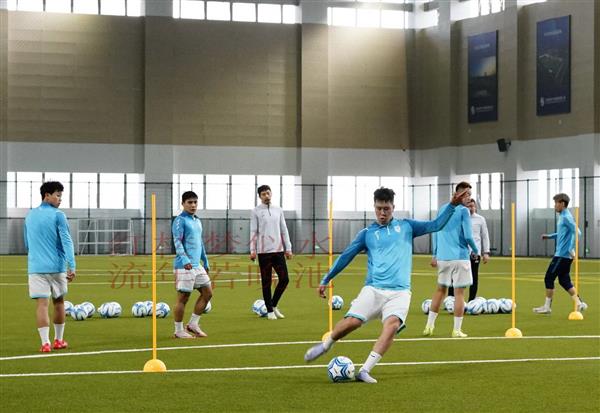
Take the women's soccer team as an example, pre-practice every day athletes run in more than 10,000 meters, our athletes in this period of time to lay enough foundation, so in the 0-2 behind when we are not nervous, we are still working hard, that is, we have an excellent physical fitness.
Like Wang Frost said the words, ultimately, we have to rush also to rush you, that ultimately is to rely on our excellent physical fitness. Technical tactics also need long-term exercise, Jia counseling (women's soccer coach Jia Xiuquan) grasped the direction that our women's soccer team should go, how to give full play to our strengths to compensate for our shortcomings.
Coach Jia has contributed a lot to our women's soccer team, including the players who have made a great effort.
The girls suffered through two practices a day. Then there was the quarantine period, all hard work, basically no days of their own, each one of them a beauty-loving girl, but all tanned, to compete for national honor.
They go back to the club, perhaps the requirements than the national team to be much looser, but in the national team they can be very strict to ask themselves, the team as their own search for national honor, and the team as their own important goal, is that I am very touched.