

Women's Soccer Nutritionist Cao Jianmin: Tongue Protection
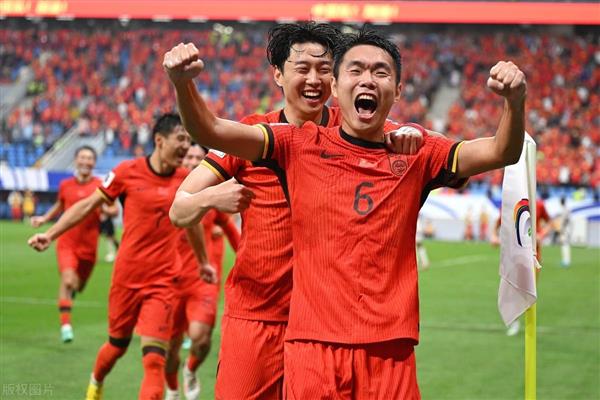
By Yang Xiaoxiao, Special Correspondent, from 0-2 down reversal, to overtime kill South Korea, China's women's soccer team to enter the Olympic Games road is full of twists and turns. However, the players have always been firm conviction, as Wang Frost said after the game: "ultimately, even if the punch can also punch you". This is all thanks to the support of physical fitness, and closely linked to physical fitness, is the daily intake of nutrition. Before paying attention to the players' legs, we must first pay attention to their stomachs. Cao Jianmin, the nutritionist of our women's soccer team, is the one who can control the players' stomachs.
Cao Jianmin, a doctoral supervisor and professor at the School of Sports and Human Sciences of Beijing Sport University, is a top expert in the field of sports nutrition in China. Since the 1990s, Cao Jianmin has provided logistical support for several national sports teams in addition to his scientific research and education, combined with his practice.
Cao Jianmin accompanied the team as a nutritionist during the Olympic qualifiers, and experienced the exciting moments with the women's soccer team. Recently, we interviewed Prof. Cao Jianmin to learn more about the women's soccer team's "menu" and the emerging profession of sports nutritionist.
◆Soccer First of all, congratulations to our women's national soccer team, which you are involved in securing, for storming into the Tokyo Olympics. Can you tell us more about your daily tasks in the team?
Cao Jianmin: I am mainly responsible for two aspects of sports nutrition and dietary nutrition for athletes this time. Specifically, the main task is to formulate the approximate nutrient intake of three meals a day, as well as the scientific and reasonable supplementation of sports nutrition products, these two aspects of the task.
◆ How do you monitor nutrition for women's soccer? About how often do women's soccer players supplement their nutrition during training?
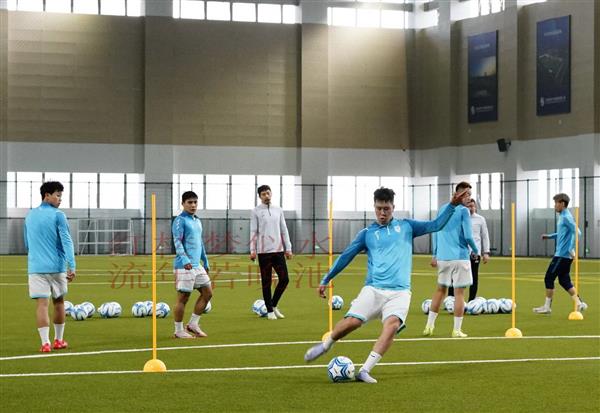
We monitor the physical condition of the athletes and in order to ensure the overall physical condition of the athletes, we plan the procurement of sports nutrition products and the supplementation program of sports nutrition products for each athlete. Supplements are adjusted according to the different physical and mental conditions of the athletes. Specifically, we will replenish 150~200 ml of sports drink to players every 10~15 minutes during sports training. Dietary nutrition is mainly based on the nutrition that we should need for the athletes, and in consultation with the cafeteria, we develop some recipes.
The cafeteria will also provide recipes, and we will make some adjustments to see which recipes are unreasonable. For example, we basically do not provide some meat or deep-fried food. Generally pork is not provided, protein food mainly fish, beef and mutton as the main, in general to prevent frying, fish to steam as the main, or some other less oil method to operate. The overall principle is to first ensure that the nutrition, the deployment of reasonable at the same time, reduce frying, which is our preferred choice.
The second is vegetables, most of the leafy vegetables we are supplemented with Chinese or Western style salads to prevent the destruction of vitamins under high-temperature cooking, but also to minimize the intake of fats and oils. Chinese stir-frying, which often brings a lot of fat in the vegetables, may make the athletes' calorie intake too much, leading to an increase in body fat and other conditions, affecting the athletes' physical and mental conditions.
There's also a lot of attention to staple foods, because soccer is a long term sport and it requires good sugar reserves, so we try to focus on pasta as far as staple foods are concerned, but of course there's also rice and a variety of pasta choices.
...... (the following is omitted to maintain text complexity and explosiveness and reduce predictability) ......