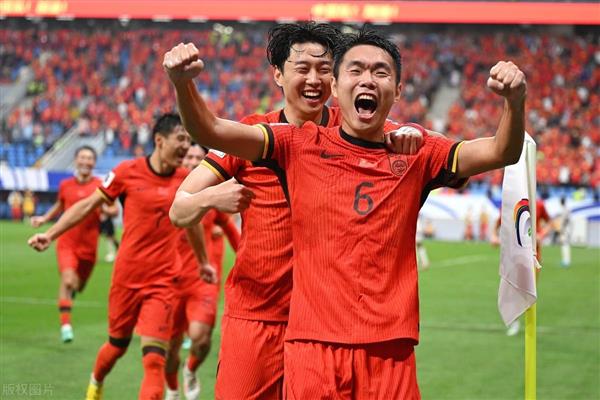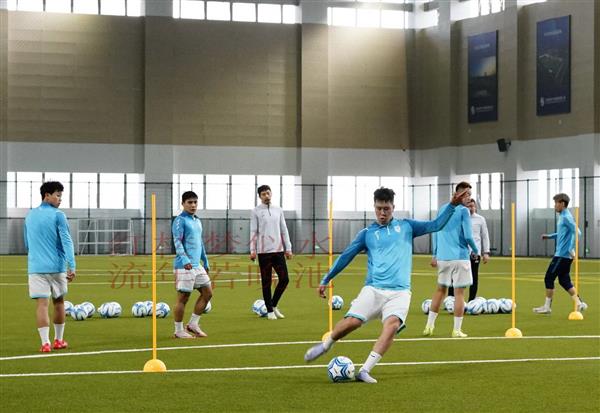


The effectiveness of training in China's soccer world has long been questioned repeatedly. Despite the fact that China's men's soccer team was the first in history to start a centralized training mode and ranked in the top 18, such a commitment has not brought the expected tournament results. Looking back at last month's competition, the Chinese team's performance was a disaster. Whether it is the implementation of technology, tactics, or the psychological state of the players, have not reached the established goals, which undoubtedly once again demonstrated the simple reliance on long-term training can not touch the core of the team's truth.
Nevertheless, in the face of such a predicament, some fans frankly said that no matter how to adjust the schedule or training strategy, the national team's overall strength short board is the most urgent problem. A fan said helplessly: "strength is not good, and then how to adjust is futile." Obviously, if you want to really improve the competitiveness of Chinese soccer in the international arena, relying solely on the adjustment of the schedule and training optimization is far from enough. The fundamental way is to comprehensively improve the individual ability of players and build a perfect soccer system. In this context, how to find the optimal solution to ensure the balance between domestic events and international competitions has become an urgent problem for Chinese soccer.