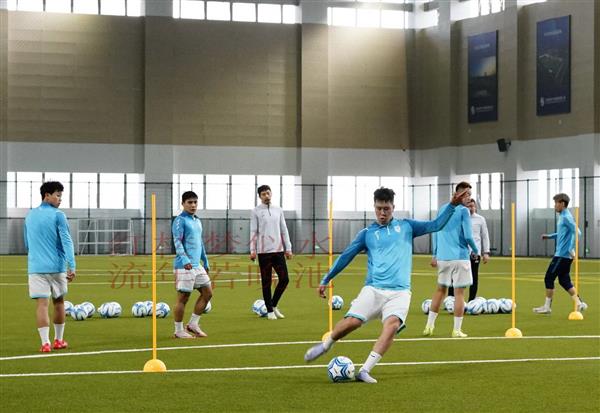


However, in this encounter with Shenhua's Pohang Ironmen in 442 formation, the Pohang team wasted no time and threw themselves into the fray with a 532 formation with 3 center backs. Although the results were not as quick to show as the Japanese men's soccer team, the Pohang Ironmen were still able to frequently create a 2 on 2 or even 3 on 2 localized advantage on both sides of Shenhua. Shenhua's first goal scored by Pohang came from a quick 2-2 counterattack on the right side. In addition to the suppression of the formation, the Pohang team also implemented a targeted pressure on Wang Haijian in front of the field, resulting in Shenhua's defense and turn of attack has become extremely slow, at the end of the half, the team had zero shots on goal.
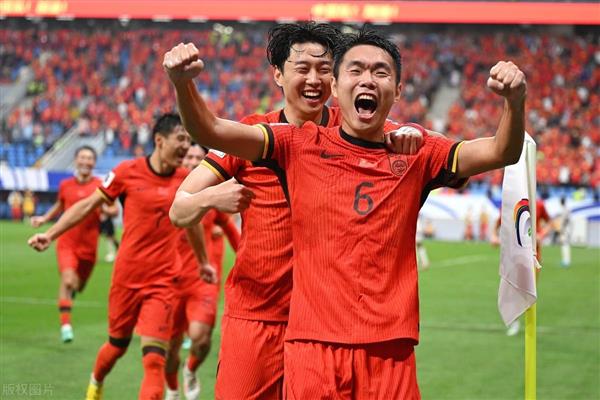
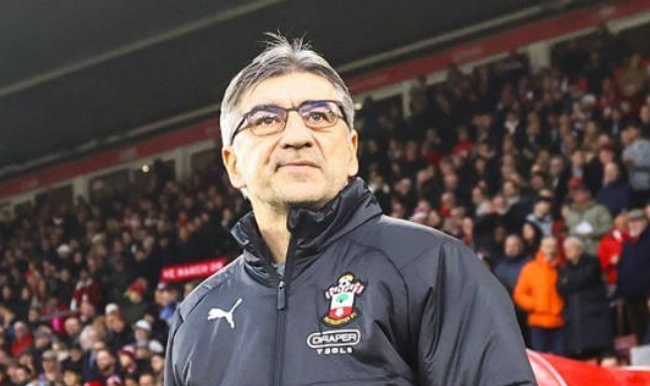
In the second half of the national soccer team's match against Japan, Coach Ivan decisively changed the formation to 5-back in order to compensate for the team's shortcomings on both sides, but unfortunately replaced 5 goals conceded in the second half. Faced with the same dilemma, Coach Slutsky did not blindly imitate Ivan's tactics, but replaced Wang Haijian with Malelai, and at the same time made Teixeira pull back to strengthen the organization. This strategic adjustment immediately straightened out the team's offense.
Until the 88th minute of the second half, Slutsky only brought in two players from the bench, Mallet and Gao Tianyi. They scored a goal each soon after they came on the field, showing Slutsky's efficiency and precision in making adjustments on the field. Facing similar problems and situations, Slutsky obviously abandoned the routine of the national soccer team. So is it really true that "a change of manager is like a change of sword", as fans often say?