

At the beginning of November, the Japanese national soccer team unveiled its 26-player squad for the World Cup, with European players occupying half of the squad, amounting to 20 seats. Of the 20 European players, 13 are playing in Europe's top five leagues. And in the remaining 6 local players, only 3 have not set foot in the European green field, which marks the Japan World Cup lineup in the "European blood" for the first time to focus on the embodiment. Go to the European top league to further study, has become a key part of the steady improvement of Japanese soccer. On the contrary, China's soccer, in the five major leagues almost "no income", there is still a long way to go.
Back on September 8 last year, Wu Lei returned to Barcelona alone after the first round of matches in the first round of the 12-team World Cup qualifying tournament in Asia. At the airport, he met many Japanese players, who were preparing to leave for the European League. Wu Lei was overwhelmed with emotion at this scene: "Coincidentally, beside me, I witnessed almost all of the Japanese players, led by the team leader, return to Europe and then return to their respective clubs. This scene reminded me of a time when I heard that the Japanese team had solid roots in Europe. Even when the epidemic raged late last year, Japanese overseas players assembled an army to play friendly matches in Europe, and even the leaders were based in Europe."
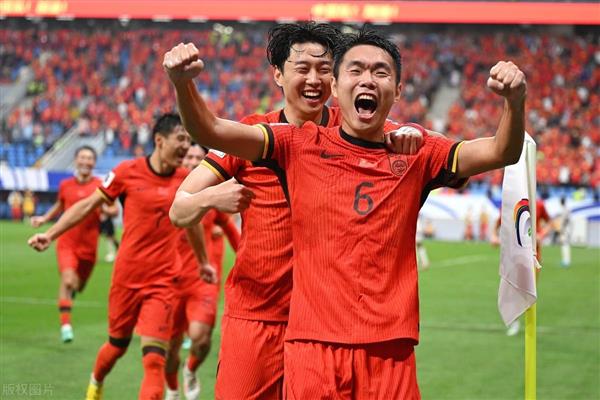
In fact, while Japanese and South Korean players are flocking to Europe's top leagues, China's team is struggling with Wu Lei alone. This comparison aptly reveals the gap between China and Japan in soccer. In the 0-1 defeat against Japan, the Japanese players' exquisite skills, strong sense of pressure and "overwhelming" performance, even if they didn't give their best, were still breathtaking.
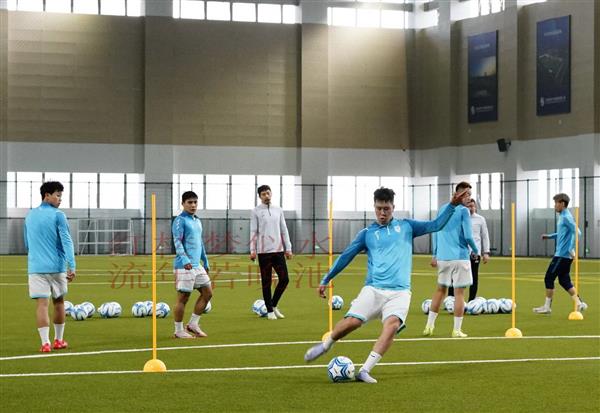
There was a time when China also had numerous players trying to further their education abroad. Since 1998, Yang Chen joined the Bundesliga Frankfurt, Fan Zhiyi, Sun Jihai, Ma Mingyu, Li Weifeng, Li Tie, Shao Jiayi, Zheng Zhi and other domestic players have landed in the five major leagues, and some even become the main force. In recent years, many young players and even underage players have gone to Europe, Brazil and other places to learn, but most of them are difficult to get a foothold abroad, making the "stay in the ocean" gradually evolved into "gold-plated", "export to domestic sales The phenomenon of "export to domestic sales" is getting more and more intense.
Now that Wu Lei has returned to his homeland, Chinese soccer still needs brave young people to bravely go out. Only in this way can we realize the qualitative leap. Wu Lei said fondly: "I have repeatedly called on our players to go abroad to feel the atmosphere and environment of European soccer. As a matter of fact, I know very well that going abroad at this age will hardly bring a qualitative leap for the national team. But I hope that through my own experience, I can instill confidence in the young players, so that they can go forward with their dreams. I also hope to see that what they learn, feel and share during the study abroad process makes the process more meaningful."